Top Automotive Body Parts You Need for Vehicle Maintenance and Repair
Proper maintenance and repair of vehicles is essential for ensuring safety, performance, and longevity. According to the Automotive Aftermarket Industry Association, the U.S. automotive aftermarket is expected to exceed $400 billion by 2024, underscoring the growing demand for automotive body parts and services. As vehicles age, the need for replacement parts becomes increasingly critical, with the average vehicle on the road being over 11 years old. This highlights the importance of understanding the various automotive body parts essential for maintenance and repair.
A comprehensive approach to vehicle upkeep not only enhances performance but also improves safety. Industry reports indicate that nearly 20% of vehicle accidents are attributed to issues stemming from worn or damaged body parts. Key components, including bumpers, fenders, and hood panels, play vital roles in structural integrity and crashworthiness. As consumers become more conscious of vehicle safety and repair, identifying and utilizing high-quality automotive body parts is crucial for minimizing repair costs and maximizing vehicle performance.
In the competitive landscape of vehicle repairs, having knowledge of the essential automotive body parts can empower both DIY enthusiasts and professionals alike. As the automotive sector continues to evolve with advances in technology and materials, awareness of these critical components will not only aid in vehicle aesthetics but will also ensure that the fundamental functionalities are maintained, thereby enhancing overall driving experience and safety.
Essential Automotive Body Parts for Routine Maintenance
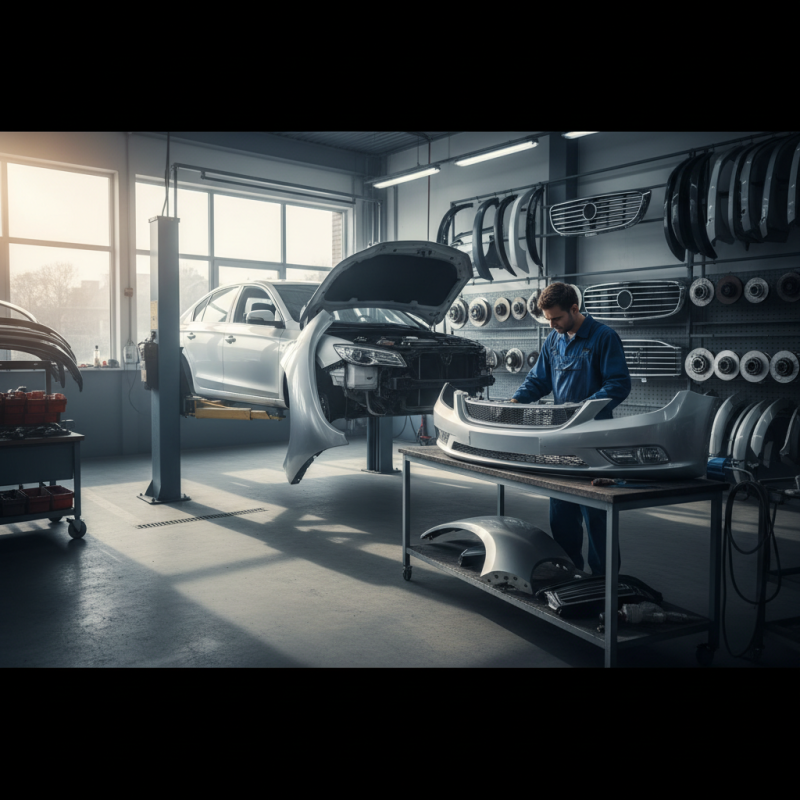
Routine vehicle maintenance is crucial for ensuring the longevity and performance of your automobile. Essential automotive body parts play a significant role in this process, as they not only enhance safety but also contribute to the overall aesthetic and functionality of the vehicle. Regularly inspecting and maintaining parts such as bumpers, fenders, and hood latches can prevent more serious issues down the line and help keep your vehicle looking its best.
In addition to exterior components, attention should also be given to interior elements that may require upkeep. Window seals and door panels, for instance, can deteriorate over time due to exposure to the elements, affecting both comfort and safety. Ensuring these parts are in good condition can prevent water leaks and reduce road noise, enhancing the driving experience. Investing time in routine checks and timely replacements of essential body parts is a small step that yields significant benefits in the long run.
Understanding the Functions of Key Body Parts in Your Vehicle
When it comes to vehicle maintenance and repair, understanding the critical functions of automotive body parts is essential for both safety and performance. Body parts such as the chassis, fenders, and bumpers play a significant role in maintaining a vehicle's integrity.
The chassis serves as the foundational frame, connecting various components and ensuring structural stability, while fenders protect the vehicle from dirt and debris, preventing corrosion and potential mechanical failures. According to a report by the Automotive Body Parts Market, the global body parts industry is projected to reach USD 19 billion by 2028, indicating a growing recognition of their importance in vehicle upkeep.
Another crucial aspect of automotive body parts is their impact on safety during collisions.
Bumpers are designed to absorb impact energy, minimizing damage to both the vehicle and its occupants. The Insurance Institute for Highway Safety reports that properly functioning bumpers can reduce repair costs by up to 45%, highlighting their significance not only for safety but also for economic reasons. Regular inspections and timely replacements of these components are vital, as wear and tear can lead to compromised protection. Thus, understanding the functions and importance of these key body parts ensures that vehicle owners can maintain their vehicles effectively and safely over time.
Common Signs Indicating the Need for Body Part Replacement
When it comes to vehicle maintenance, being aware of the common signs that indicate the need for body part replacement can save you both time and money. Some of the most obvious signs include visible rust, dents, or cracks on the car’s surface. If you notice any significant damage, it may impair the vehicle's safety and performance, signaling that immediate attention is required. Moreover, irregular noises during operation, such as rattling or squeaking, can also indicate worn-out components that should be inspected closely.
**Tips:** Regularly inspect your vehicle’s body for scratches and paint damage, as these can lead to rust formation over time. Also, don’t overlook checking the condition of your vehicle's headlights and taillights; if they’re dim or flickering, it may be time for a replacement.
Another warning sign to watch for is misalignment in body parts, which can manifest as uneven gaps between panels or doors that do not close properly. This misalignment may not only affect aesthetics but could also lead to performance issues or increased wear on other parts of the vehicle. Addressing these concerns early can prevent more extensive and costly repairs down the line.
**Tips:** Keep a record of any previous repairs or replacements on the body parts. This can help you track wear patterns and predict necessary maintenance more accurately, ensuring that your vehicle remains in optimal condition for years to come.
Top Automotive Body Parts You Need for Vehicle Maintenance and Repair - Common Signs Indicating the Need for Body Part Replacement
| Body Part |
Common Signs for Replacement |
Recommended Maintenance Interval |
| Bumpers |
Cracks, dents, and loose fittings |
Every 3-5 years or after an accident |
| Fenders |
Rust, corrosion, warping |
Every 5 years or based on condition |
| Hoods |
Dents, poor alignment, rust |
As needed or at inspection intervals |
| Doors |
Difficulty opening/closing, alignment issues |
Every 3-5 years depending on usage |
| Windshields |
Cracks, chips, significant visibility reduction |
Inspect regularly; replace as necessary |
Step-by-Step Guide to Inspecting and Maintaining Body Parts
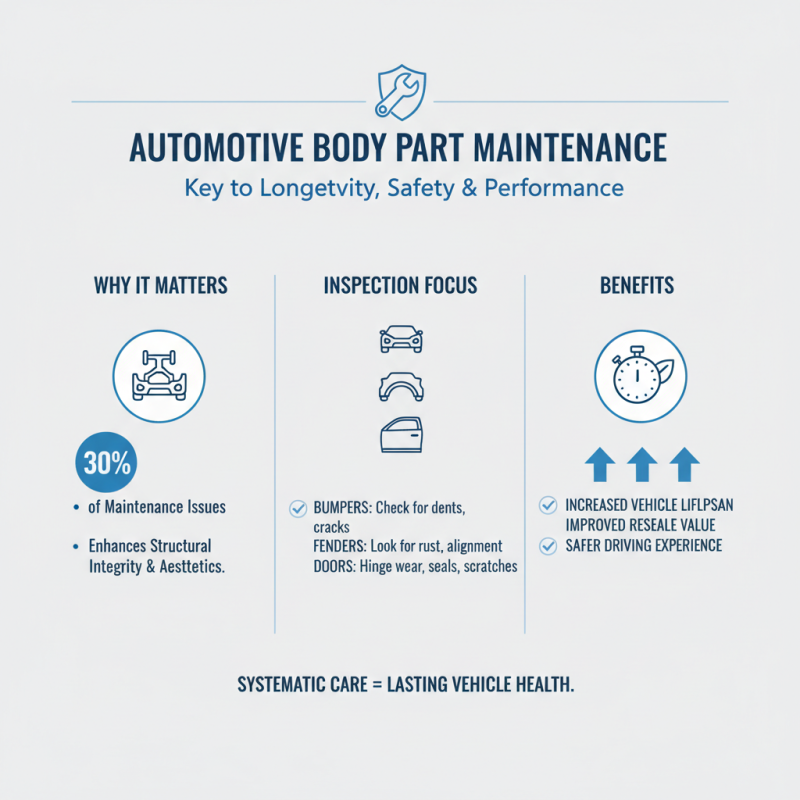
Regular inspection and maintenance of automotive body parts are crucial for vehicle longevity, safety, and performance. According to industry reports, approximately 30% of all vehicle maintenance issues are related to body parts, highlighting their significance in overall vehicle upkeep. A systematic approach to inspecting components like bumpers, fenders, and doors can enhance not only the aesthetic appeal of a vehicle but also its structural integrity. Start by checking for any visible damage such as dents or scratches, as these can be indicative of underlying issues or further deterioration if left unaddressed.
In addition, it is essential to assess the mounting points of body parts for rust or corrosion, which can compromise safety. A study from the National Institute for Automotive Service Excellence reveals that preventive maintenance can reduce repair costs by up to 50%. Therefore, regularly inspecting body parts and applying protective coatings can significantly extend their lifespan. When conducting your inspection, don’t overlook the alignment of body panels, as misalignment can affect aerodynamics and lead to increased fuel consumption. By adhering to these practices, vehicle owners can ensure their automotive body parts remain in optimal condition, thereby enhancing both performance and safety on the road.
Best Practices for Purchasing Quality Automotive Body Parts
When it comes to purchasing automotive body parts, ensuring quality should be at the forefront of your decision-making process. Industry reports indicate that approximately 30% of auto repairs involve body parts, particularly due to collision damage or wear and tear. Therefore, sourcing high-quality components can significantly enhance the longevity and safety of your vehicle. It is essential to consider factors such as material durability, compatibility with your vehicle model, and adherence to safety standards when selecting parts.
Tips: Always verify that the parts you intend to purchase meet or exceed OEM (Original Equipment Manufacturer) specifications. This guarantees that the components are manufactured to match the original parts, ensuring optimal fit and performance. Additionally, inspect the warranties offered by suppliers, as robust warranty terms typically reflect the manufacturer’s confidence in their product quality.
Another best practice is to conduct thorough research on the supplier's reputation. Data suggests that 85% of automotive failures linked to parts can be traced back to poor-quality materials or manufacturing processes. Opt for suppliers with proven track records and positive customer feedback. Utilizing automotive forums and review platforms can provide insights into reliable sources for quality parts, helping you make informed purchasing decisions.
Top Automotive Body Parts for Maintenance and Repair