Global buyers need more than a long supplier list when sourcing engine components. Quality, traceability, delivery stability, and technical support directly affect vehicle uptime. Grand View Research reports that the global automotive aftermarket continues to expand, supported by an aging vehicle fleet and rising repair demand. S&P Global Mobility also notes that vehicles in major markets are remaining in service longer, increasing the need for reliable replacement parts.
This guide introduces 10 best engine parts suppliers for global buyers, with attention to manufacturing capability, product coverage, certifications, and export experience. A dependable supplier should provide clear part numbers, dimensional drawings, material information, and inspection records. Buyers should also confirm compatibility through VIN data, engine codes, and application catalogs. Small errors can create expensive returns.
The phrase “parts engine” is often used in international searches, although “engine parts” is more natural in technical English. That difference matters when comparing catalogs and supplier websites. Some suppliers appear strong online but offer limited testing evidence or inconsistent packaging. That deserves scrutiny. The selection below combines practical sourcing considerations with industry data from recognized research organizations, while acknowledging that market figures vary by region and reporting method. Pricing, lead times, and certification status should always be verified directly before purchase. A polished catalog is not proof of dependable performance. Direct communication, sample evaluation, and documented quality controls remain essential.
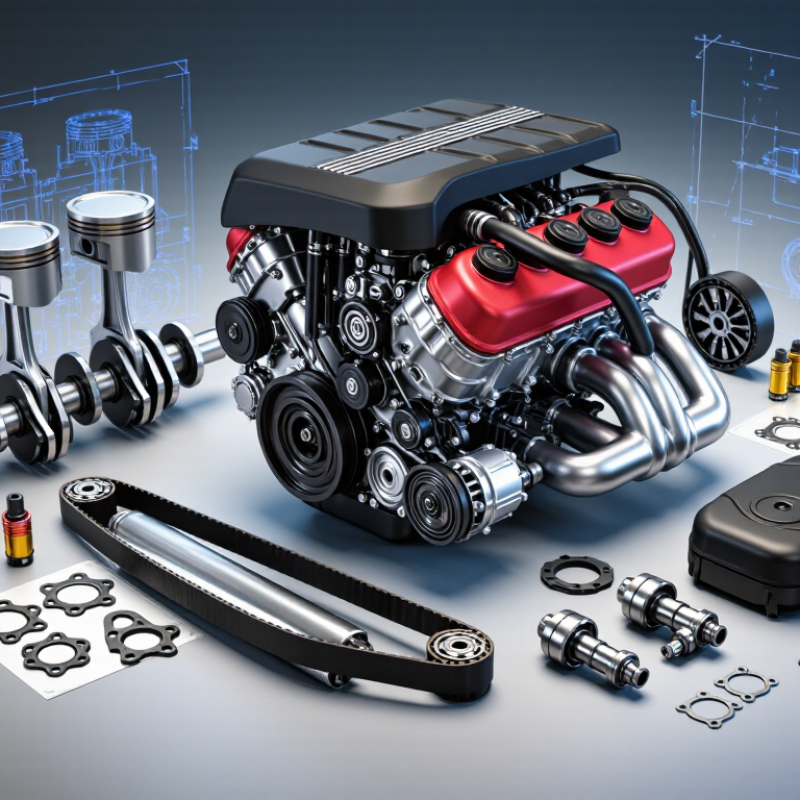
A reliable engine parts supplier offers more than a large product catalog. They understand engines, fitment details, material grades, and operating conditions. Their technical staff should explain why a component suits a specific engine, not simply promise a low price. Clear drawings, accurate measurements, and traceable specifications reveal professional experience.
Quality control must be visible. Dependable suppliers inspect dimensions, surface finishes, hardness, and packaging before shipment. They can provide test records, batch information, and practical installation guidance. Communication also matters. Replies should be prompt, precise, and honest when a part is unavailable. A supplier that admits a limitation may be safer than one making perfect-sounding promises.
Global buyers should examine delivery performance, export documentation, spare-part availability, and after-sales support. References from repair shops or fleet operators can add useful evidence, especially when they describe long-term performance. Still, no supplier is flawless. Even experienced teams can make mistakes with old engine models or changing specifications. Ask detailed questions, confirm samples, and review every technical document before ordering. Small oversights can become expensive downtime. Reliability is built through consistent evidence, not attractive claims.
Comparing engine parts suppliers requires more than checking unit prices. Global buyers should examine material grades, machining tolerances, inspection methods, and production capacity. A supplier’s technical documents should match the actual part. Samples reveal habits. Ask for dimensional reports, heat-treatment records, and traceability details before placing a large order.
Delivery performance also deserves careful review. Compare realistic lead times, packaging standards, export experience, and communication during delays. A supplier may promise fast production but lack stable access to raw materials. Request recent delivery data and clear answers about replacement procedures. Written warranty terms matter, especially when parts must fit existing engines without unexpected modifications.
Cost comparison should include freight, duties, inspection fees, payment terms, and possible rework. The cheapest quotation can become expensive after rejected parts arrive. I have seen purchasing teams focus too heavily on price and overlook inconsistent measurements. That decision is easy to regret. Independent inspections can reduce risk, although they add time and expense. Check whether the supplier welcomes audits, shares corrective-action reports, and maintains consistent quality across repeated orders. References from comparable buyers are useful, but they should not replace your own sample testing. Availability, expertise, and honesty often matter more than polished sales language.
This global sourcing scorecard uses a 100-point evaluation framework. Product quality and compliance receive the highest weighting, followed by total landed cost, delivery reliability, technical support, warranty coverage, and minimum order flexibility. Buyers can adjust the weighting according to their engine-part category, destination market, and purchasing volume.
The strongest engine parts suppliers offer more than catalog items. They provide pistons, cylinder liners, bearings, valves, gaskets, turbochargers, fuel-injection units, and cooling-system components. OICA reported 93.5 million motor vehicles produced globally in 2023. That scale demands stable capacity, accurate specifications, and dependable export documentation.
Services often separate experienced suppliers from simple resellers. Buyers should look for CNC machining, dimensional inspection, material testing, engine diagnostics, calibration, and remanufacturing support. Suppliers should also provide batch traceability, installation guidance, warranty terms, and technical drawings. The IEA’s Global EV Outlook 2024 recorded more than 17 million electric-car sales in 2024. This shift makes hybrid and efficient combustion-engine expertise increasingly valuable, not obsolete.
Ask difficult questions. Can the supplier match an engine code and production year? Can it explain tolerances in plain language? Some suppliers promise fast delivery but provide weak after-sales support. That is a real warning. A small gasket error can stop an entire engine. No catalog is perfect. Human verification still matters, especially when replacing cylinder-head parts or fuel-system components. Independent test reports, ISO-based quality procedures, and documented inspection records can make international purchasing safer and more predictable.
| No. | Supplier Profile | Main Engine Components | Typical Engine Coverage | Services Commonly Offered | Quality and Documentation | Best Fit for Buyers |
|---|---|---|---|---|---|---|
| 1 | OEM-Equivalent Component Manufacturer | Cylinder heads, pistons, piston rings, connecting rods, crankshafts, camshafts, valves and bearings. | Passenger vehicles, commercial vehicles, industrial engines and power-generation engines. | Part-number matching, engineering drawings, sample approval, batch production, private labeling and export packaging. | Material certificates, dimensional inspection reports, batch traceability and product warranties. | Importers and distributors requiring broad catalog coverage and consistent replacement quality. |
| 2 | Aftermarket Engine Parts Wholesaler | Filters, belts, hoses, gaskets, seals, thermostats, water pumps and routine service parts. | Cars, light commercial vehicles, trucks and common fleet applications. | Mixed-container orders, inventory consolidation, cross-reference checking, stock availability and consolidated shipping. | Fitment catalogs, invoices, packing lists, certificates of origin and standard warranty terms. | Regional distributors, repair networks and buyers needing fast-moving parts in volume. |
| 3 | Engine Remanufacturing Specialist | Remanufactured cylinder heads, crankshafts, connecting rods, injectors, turbochargers and complete engines. | Heavy-duty trucks, buses, construction equipment, agricultural machinery and industrial engines. | Core exchange, disassembly, cleaning, crack testing, machining, balancing, assembly and test running. | Inspection records, remanufacturing specifications, test reports, core-credit policies and warranty coverage. | Fleet operators and maintenance companies seeking lower-cost alternatives to new assemblies. |
| 4 | Precision Engine Machining Supplier | Custom shafts, sleeves, engine blocks, bearing housings, flywheels, brackets and machined repair parts. | Prototype engines, low-volume production, industrial equipment and specialty vehicles. | CNC turning, milling, grinding, boring, honing, heat treatment, surface finishing and reverse engineering. | Technical drawings, tolerance reports, hardness testing, inspection plans and first-article inspection records. | Engineering firms and buyers with custom specifications or discontinued components. |
| 5 | Diesel and Marine Engine Specialist | Fuel pumps, injectors, pistons, liners, valves, gaskets, seawater pumps and exhaust components. | Marine propulsion, generator sets, commercial vessels, port equipment and large diesel engines. | Application identification, overhaul kits, corrosion-resistant options, technical support and vessel-maintenance planning. | Marine-grade material information, pressure-test reports, compatibility data and service documentation. | Shipyards, marine distributors and operators requiring durable parts for continuous-duty engines. |
| 6 | Agricultural and Off-Highway Supplier | Engine overhaul kits, liners, pistons, injectors, radiators, filters, belts and hydraulic-drive accessories. | Tractors, harvesters, excavators, loaders, irrigation equipment and utility machinery. | Machine-model identification, seasonal stocking, repair kits, field-service support and replacement-part sourcing. | Fitment charts, installation instructions, quality inspection records and operating-condition guidance. | Agricultural dealers and equipment owners operating in demanding or remote environments. |
| 7 | Turbocharger and Air-Management Supplier | Turbochargers, cartridge assemblies, compressor wheels, turbine wheels, actuator parts, intercoolers and intake components. | Passenger vehicles, trucks, buses, marine engines, generators and off-highway equipment. | Turbocharger matching, balancing, actuator calibration, cleaning, remanufacturing and performance testing. | Balancing reports, pressure-test data, model cross-references and installation recommendations. | Specialist repair shops and distributors handling turbocharger replacement or overhaul work. |
| 8 | Gasket and Sealing-Systems Manufacturer | Head gaskets, intake and exhaust gaskets, oil seals, O-rings, valve-stem seals and complete gasket sets. | Automotive, diesel, industrial, marine and small-engine applications. | Custom die-cutting, material selection, thickness options, sealing-surface review and kit configuration. | Material specifications, dimensional checks, temperature and chemical-resistance data where applicable. | Distributors and engine rebuilders requiring application-specific sealing solutions. |
| 9 | Fuel-Injection Equipment Specialist | Injectors, high-pressure pumps, nozzles, fuel rails, delivery valves and injection-system repair kits. | Common-rail diesel, mechanical diesel, commercial vehicles, generators and industrial engines. | Injector testing, pump calibration, ultrasonic cleaning, coding support, remanufacturing and diagnostic assistance. | Test-bench reports, flow-rate data, calibration records, repair documentation and warranty conditions. | Diesel workshops and fleet-maintenance buyers prioritizing fuel-system accuracy. |
| 10 | Cooling and Thermal-Management Supplier | Radiators, water pumps, thermostats, oil coolers, expansion tanks, cooling fans and related hoses. | Cars, trucks, buses, generators, agricultural machinery and construction equipment. | Cooling-capacity selection, pressure testing, core replacement, custom dimensions and fleet-part sourcing. | Pressure-test results, dimensional drawings, material details, leak-testing records and fitment references. | Global buyers managing overheating repairs, fleet maintenance and replacement cooling systems. |
Quality begins with traceable materials, not attractive product photos. Reliable suppliers should provide batch numbers, inspection records, and clear manufacturing dates. Ask for dimensional reports covering bore diameter, thread size, flatness, and surface finish. These details matter when a part must fit inside a tightly measured engine assembly. A supplier with ISO 9001 controls may offer consistent processes, but certification alone does not guarantee perfect parts. Verify the certificate’s scope and validity.
Automotive production often requires stronger evidence. IATF 16949 experience can indicate disciplined quality management for engine components. Material certificates should identify composition, heat treatment, and test results. For critical parts, request hardness checks, pressure testing, and sample approval reports. Independent inspections can reveal defects hidden by packaging. They cost time, but replacing failed parts across borders costs more.
Compatibility needs equal attention. Match the engine code, model year, dimensions, mounting points, gasket profile, and connector position. Do not rely only on a similar photograph. Suppliers should provide technical drawings, cross-reference data, and installation limits. Packaging must protect machined surfaces from moisture and impact during long ocean shipments. Warranty terms should explain evidence requirements, response times, and replacement procedures. One practical weakness remains: some suppliers send polished documents but answer technical questions vaguely. That hesitation deserves a second review.
Choosing an engine parts supplier requires more than comparing prices. Start with your market’s engine models, operating conditions, and repair habits. A supplier experienced with heavy-duty fleets may not suit passenger vehicles. Confirm dimensions, materials, heat treatment, and compatibility before ordering. Small differences can cause expensive failures.
Ask for inspection reports, production records, and clear warranty terms. Reliable suppliers should explain how they control hardness, surface finish, and packing quality. Request a sample batch and inspect it with a qualified technician. Check whether serial numbers or batch codes support traceability. This matters when a part fails months later. Documentation matters too.
Look beyond the factory price. Calculate shipping, duties, packaging, payment terms, and expected replacement rates. A low quote may hide inconsistent quality or slow communication. Test response times with practical questions. Do they provide drawings, installation guidance, and after-sales support? Speak with verified customers in similar climates or industries, where possible.
Do not trust polished promises alone. I have seen good-looking samples fail under real vibration and heat. That lesson is uncomfortable, but useful. Set measurable acceptance criteria before signing an order. Review delivery performance after each shipment, and keep records of defects. Your best supplier may not be the cheapest or largest. It should be the partner that consistently fits your market’s technical and commercial reality.