10 Best Trail Motorcycles to Buy in 2026?
Choosing a Trail Motorcycle is not just a horsepower contest. On a narrow track, a light-feeling chassis, predictable throttle, and forgiving suspension can matter more than peak speed. A stalled engine on a rocky incline makes that clear. So does a long day with a seat that feels too firm.
The Motorcycle Industry Council’s Statistical Annual and ownership research offer useful context on the U.S. motorcycle market. However, broad market figures do not rank trail bikes or prove that one model is more reliable. For specifications, this guide will prioritize manufacturer data, including wet weight, suspension travel, fuel capacity, and service intervals. Those figures still need context: rider size, terrain, and maintenance habits change how a bike feels. A number on a spec sheet cannot tell you whether the clutch is easy to control on a steep, loose climb.
As off-road coach Chris Birch advises, “Look where you want to go.” That simple principle matters when comparing machines built for tight turns, roots, and changing surfaces. This 2026 guide will examine ten trail motorcycles through practical strengths, compromises, and intended riders. Expect trade-offs. A smaller engine may feel calmer at low speed, while a larger one can add weight and demand more control. No single pick suits every rider, and model availability can vary by market. The goal is a clearer shortlist, not a perfect verdict.
What Defines a Trail Motorcycle in 2026?
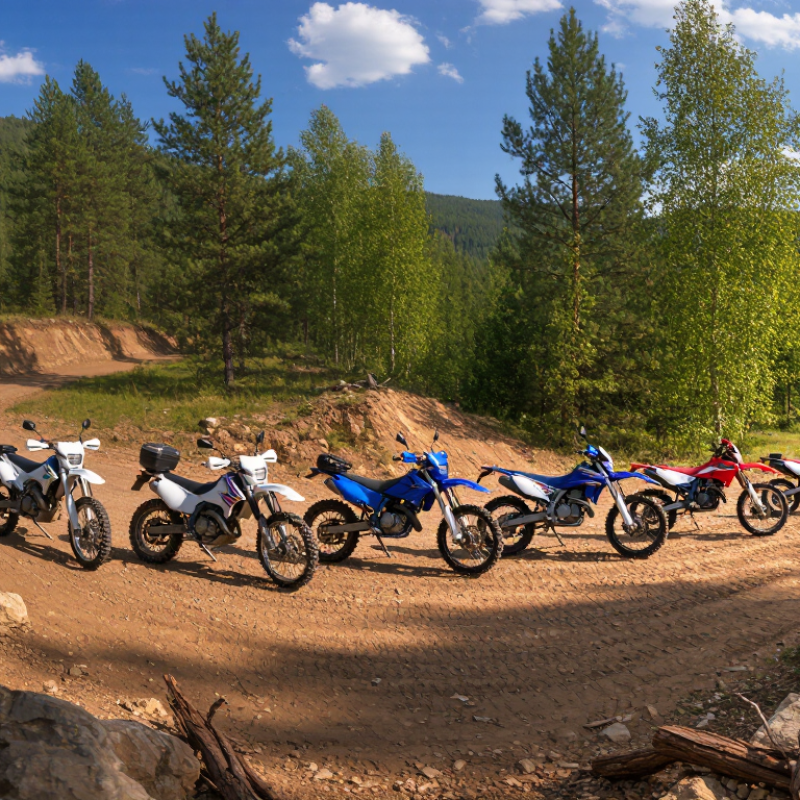
In 2026, a trail motorcycle is defined less by a label than by how calmly it handles changing ground. It should feel manageable on narrow paths, loose gravel, and uneven climbs. A broad, usable power range matters more than peak speed. So does predictable throttle response. At walking pace, the bike should not feel eager to surge ahead.
Suspension needs enough travel to absorb roots and shallow ruts, yet it should remain composed on firmer tracks. Knobby tires help find grip, but tread alone cannot replace careful setup. A light feel matters when turning around on a tight trail or lifting the bike after a slow fall. Small details count. Hand controls should be easy to reach, and the seat should allow frequent shifts in position. A sturdy frame and accessible routine maintenance also suit regular trail use.
There is no perfect formula. More suspension travel can raise the seat, and extra equipment can add weight. I would not judge a bike by specifications alone; a short, cautious ride often reveals more. Some riders want a gentle machine for long days, while others prefer sharper response. The right trail motorcycle balances control, comfort, and capability for the terrain its rider actually uses.
Key Factors to Consider When Choosing a Trail Bike
Choosing a trail motorcycle starts with the ground you expect to ride, not the biggest number on a specification sheet. Tight, rocky paths reward manageable weight and gentle throttle response. Open, faster trails may call for more power and stable suspension. Be honest about your skill level. A bike that feels exciting in a showroom can feel tiring after an hour of slow turns.
Seat height matters when you stop on uneven ground. So does weight: lifting a fallen motorcycle on a slope is different from reading its listed weight. Check suspension adjustment, fuel range, and how easily routine parts can be serviced. A comfortable fit often matters more than one impressive feature. It is easy to overvalue power; I would reconsider that choice after a long, technical ride.
Tips: Wear your usual riding boots when checking seat height. Try a tight turn and a slow stop, if a test ride is available. Notice whether your feet reach the ground naturally. Small fit problems become obvious quickly.
Budget for protective equipment and regular maintenance, not only the purchase price. Ask how often filters, chain, and tires need attention under your expected conditions. If possible, compare bikes on similar terrain. A short parking-lot ride can be misleading. Roads and trails reveal different habits.
Ten Trail Motorcycles to Consider in 2026
A practical 2026 shortlist can cover ten trail-bike types: a 125cc air-cooled four-stroke, 150cc four-stroke, 200cc four-stroke, 230cc four-stroke, 250cc air-cooled four-stroke, 250cc liquid-cooled four-stroke, 250cc two-stroke, 300cc four-stroke, 300cc two-stroke, and 450cc four-stroke. These are categories, not a universal ranking. The smaller engines suit tighter trails and newer riders; the larger ones reward experience but can tire you quickly. Seat height, weight, gearing, and suspension matter as much as displacement.
The Motorcycle Industry Council’s retail-sales reporting separates off-highway motorcycles from street motorcycles, a useful reminder to compare trail bikes within their own class. Sales figures cannot tell you which machine fits your body or local terrain. NHTSA recorded 6,335 motorcyclist traffic deaths in 2023, but that figure concerns roadway crashes, not trail-specific risk. Don’t treat it as a trail-bike risk estimate. A test ride and careful fit check are more useful than a spec-sheet victory.
Tips: Sit on the bike in your riding boots; check whether both feet reach the ground comfortably. Ask about maintenance intervals, parts availability, and suspension setup for your weight. A mistake I still see is choosing maximum power before considering control. Start with the terrain you actually ride, not the one you imagine.
10 Trail Motorcycle Engine Sizes to Consider in 2026
These are real engine displacement sizes found across trail and off-road motorcycles, not specific model recommendations or a ranking. Smaller engines can suit lighter-duty riding, while larger displacements generally offer more power; the best fit depends on terrain, experience, and the motorcycle’s design.
How the Top Trail Bikes Compare in Performance and Use
Trail motorcycles can look similar in a showroom, yet feel very different on a rocky climb. Lighter models change direction quickly and are easier to catch when the front wheel deflects. They suit tight woods and repeated low-speed turns. Heavier bikes often feel calmer on open tracks, but their extra mass becomes noticeable in deep ruts. That matters after an hour, not just during a short test ride.
Engine response shapes the ride as much as peak power. Smooth, manageable delivery helps riders cross roots without spinning the rear tire. Stronger acceleration can be useful on long hills, though it may tire newer riders sooner. Suspension should match the terrain: plush settings absorb square-edged bumps, while firmer support helps prevent excessive movement at speed. There is no perfect setup. A compromise can feel vague until adjusted.
Comfort and practical details deserve a real-world check. Stand on the pegs, turn the bars fully, and see whether the controls remain easy to reach. Seat height may help on uneven ground, but a low seat does not automatically mean better handling. Tire choice, gearing, and maintenance needs also affect performance. Comparisons are useful, but trail conditions vary. A bike that feels composed on dry hardpack may struggle in sticky mud. My own impression could change after one wet ride.
What to Check Before Buying a Trail Motorcycle
Before choosing from the 10 best trail motorcycles to buy in 2026, match the bike to your actual routes. Tight woods, rocky climbs, and open fire roads demand different handling and power. Sit on the motorcycle in your usual boots. Can you reach the ground comfortably? Does the handlebar feel cramped when you stand? Small discomforts grow on long rides.
Inspect the bike in daylight, preferably before the engine has been started. A cold start can reveal hard starting, unusual smoke, or rattling that a warm engine may hide. Check for oil around the forks and engine, damaged frame areas, loose spokes, and play in the wheel bearings. Look closely at the chain and sprockets; hooked teeth often signal deferred maintenance. Ask for service records, but treat missing paperwork as uncertainty, not proof of neglect. That distinction matters.
Take a short test ride if possible. Test the clutch engagement, brakes, steering, and suspension over a few bumps. The bike should track straight, without clunks or sudden pulling. A glossy finish proves little. Ask how often the air filter was cleaned, especially if the motorcycle saw dusty trails. Also check whether routine parts are available near you and what they cost. I would not trust a seller’s claim that “it only needs a tune-up” without a mechanic’s inspection. That phrase can mean almost anything.