How to Choose the Right Automotive Parts for Your Vehicle?
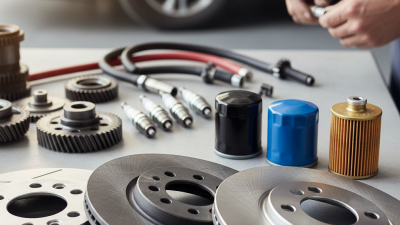
Choosing the right automotive parts for your vehicle can be challenging. The market offers countless options. Each part impacts your car's performance and safety. This decision can feel overwhelming.
Understanding your vehicle's needs is crucial. Not all automotive parts are created equal. Some are original equipment manufacturer (OEM), while others are aftermarket. OEM parts are often recommended for those seeking reliability. Aftermarket parts can save you money but may vary in quality.
Research is essential. Read reviews and consult professionals. You might think a cheaper option is best. However, long-term performance may suffer. Investing in the right automotive parts can save you from future headaches. Selecting quality components is not just about the price. It’s about ensuring your vehicle runs smoothly and safely.
Understanding Your Vehicle's Specifications and Requirements
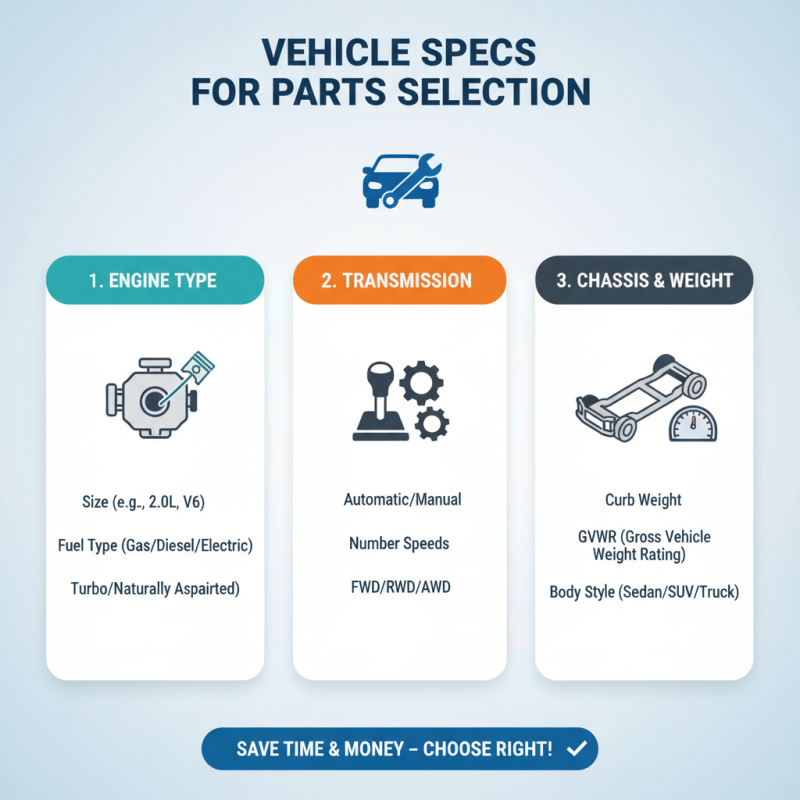
Understanding a vehicle's specifications is crucial when selecting automotive parts. Every vehicle has a unique set of requirements. This includes engine size, transmission type, and weight capacity. Knowing these details can save you time and money. For instance, a part designed for a different engine type may not fit correctly, leading to further issues.
When shopping for parts, consult your vehicle owner's manual. This document outlines necessary specifications. Pay attention to the fine details, such as the part numbers and sizes. Ignoring these can result in incompatible purchases. It's also wise to research the materials used in the parts. Sometimes, cheaper options may not offer the same durability.
Customization is often necessary. Every vehicle owner has different preferences and needs. However, it's easy to overestimate your vehicle's capabilities. Some may think adding higher performance parts automatically improves functionality. This isn't always true and can lead to negative results. Make sure your choices align with your driving style and vehicle needs.
Identifying Quality Automotive Parts: Brands and Standards
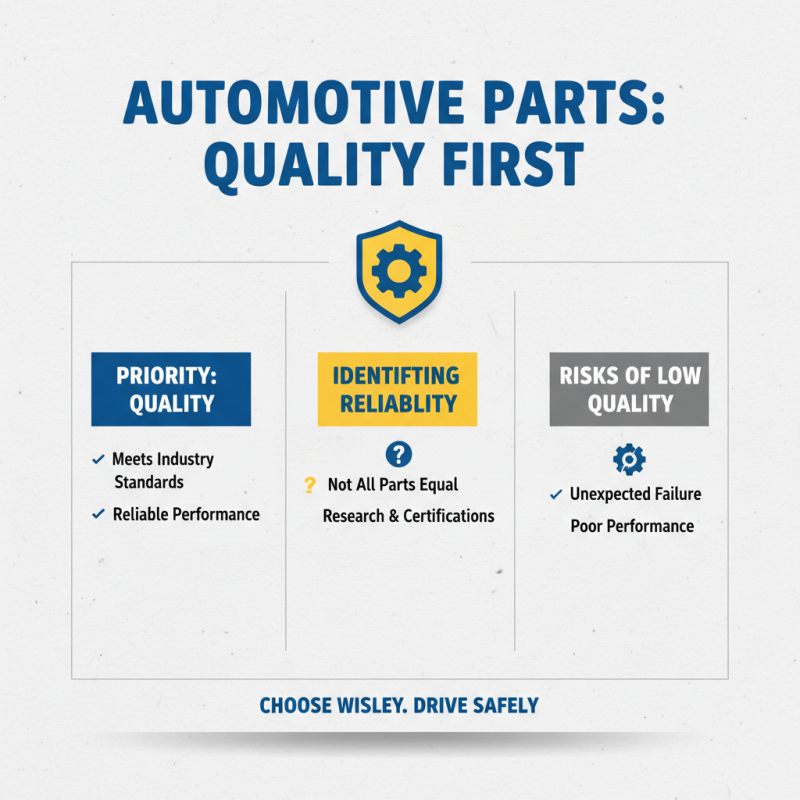
When selecting automotive parts, quality should always be a priority. Look for parts that meet industry standards. Sometimes, it’s hard to know which parts are reliable. Not all parts are created equal, and some may not perform as expected.
Tips: Check for certifications on packaging. Certifications often indicate compliance with safety and performance standards. Look for parts made with high-quality materials too. Don't overlook OEM specifications, as they can guide your choices.
Many brands offer low-cost alternatives. These cheaper parts might save you money upfront but can lead to problems later. Consider the long-term value of your investment. Sometimes, it’s worth paying a little more for durability. If a part looks questionable, trust your instincts.
Tips: Read reviews and seek recommendations from trusted sources. Real-world experiences often reveal true performance. Visit forums to connect with other car enthusiasts. Engaging with a community can provide valuable insights into which brands stand out.
Comparing OEM vs. Aftermarket Parts for Your Vehicle
When it comes to automotive parts, choosing between OEM and aftermarket options is crucial. OEM parts are made by the vehicle's manufacturer. They often promise quality and a perfect fit. However, they can be costly. According to industry reports, OEM parts can be 20-60% higher in price compared to aftermarket alternatives.
On the other hand, aftermarket parts provide a range of options. They are made by third-party manufacturers. Prices usually tend to be lower. A study by the Automotive Aftermarket Industry Association noted that the aftermarket sector is projected to grow by 3% annually. However, not all aftermarket parts meet the same quality standards. Some cheap options might lack durability. This raises questions about safety and performance.
Consumers face a dilemma. Weighing cost against quality is tough. Choosing the wrong parts can lead to severe issues. It’s important to research specifications and read reviews. Remember, sometimes paying more for quality can save money in the long run.
Tips for Budgeting: How Much Should You Spend on Parts?
When budgeting for automotive parts, it's vital to know where your money goes. A recent report found that the average vehicle owner spends between $300 to $1,000 yearly on maintenance and parts. This number can vary significantly based on vehicle age and type. For older vehicles, parts may be harder to find, often leading to higher costs.
It’s crucial to distinguish between essential and non-essential parts. Essential parts like brakes and tires should take priority. Industry guidelines suggest allocating about 30% of your budget to safety-related components. On the other hand, cosmetic upgrades should be secondary, often leading to overspending. If your budget is tight, consider the trade-off between quality and affordability. Often, cheaper options may lead to more frequent replacements, ultimately costing more.
Reflect on your driving habits. If you drive frequently or have a long commute, investing in quality parts may save you money in the long run. Some studies indicate that quality parts can last up to twice as long as cheaper alternatives. Balancing cost and quality isn't easy, but it’s necessary for maintaining both safety and performance.
How to Choose the Right Automotive Parts for Your Vehicle?
This bar chart illustrates the average spending on different automotive parts. It helps identify how much should be budgeted for each category, allowing vehicle owners to make informed decisions when purchasing parts.
Where to Buy Automotive Parts: Online vs. Local Retailers
When it comes to buying automotive parts, the choice between online retailers and local stores can be tricky. Online shopping offers convenience, with a vast selection available at your fingertips. You can easily compare prices and read reviews. However, not all options are reliable, and shipping delays can occur unexpectedly. Sometimes, waiting for a part can be frustrating, especially if you need repairs urgently.
Local retailers provide a personal touch. You can see parts in person and ask staff for advice. This may help you avoid mistakes when selecting the right part. However, local shops might have a limited inventory. It can be a challenge to find specific or rare components. Sometimes, prices may be slightly higher than online.
In making your decision, weigh the pros and cons. Consider the urgency of your need, price differences, and even your comfort level with online shopping. Avoid rushing your choice to prevent any regrettable purchases. Balancing convenience and support is key.
How to Choose the Right Automotive Parts for Your Vehicle? - Where to Buy Automotive Parts: Online vs. Local Retailers
| Criteria |
Online Retailers |
Local Retailers |
| Convenience |
Shop from anywhere, 24/7 |
Visit during business hours |
| Inventory Variety |
Extensive selection |
Limited to shelf space |
| Pricing |
Often competitive; can compare prices easily |
May have higher prices due to overhead |
| Shipping |
May incur additional fees |
Instant access, no shipping fees |
| Return Policy |
Varies by retailer; often easier to handle |
Immediate exchanges possible |
| Expertise & Support |
Limited; may rely on customer reviews |
Personalized advice from staff |