How to Choose the Right Valve Body for Your Project?
Choosing the right valve body is critical for project success. The valve body affects the system's overall performance. According to a recent industry report by Fortune Business Insights, the global valve market is projected to reach $92.2 billion by 2027. This growth emphasizes the importance of selecting the appropriate valve body.
The ideal valve body enhances efficiency while reducing maintenance costs. Poor choices can lead to system failures and increased downtime. More than 30% of system inefficiencies arise from incorrect valve specifications. It's essential to consider factors like material compatibility, pressure ratings, and flow characteristics.
Engineers often overlook the significance of size and type. A mismatched valve body can waste resources and diminish project quality. Reflecting on these aspects helps in making more informed decisions. Ultimately, taking the time to select the right valve body can lead to long-lasting system performance.

Understanding Different Types of Valve Bodies: A Comprehensive Overview
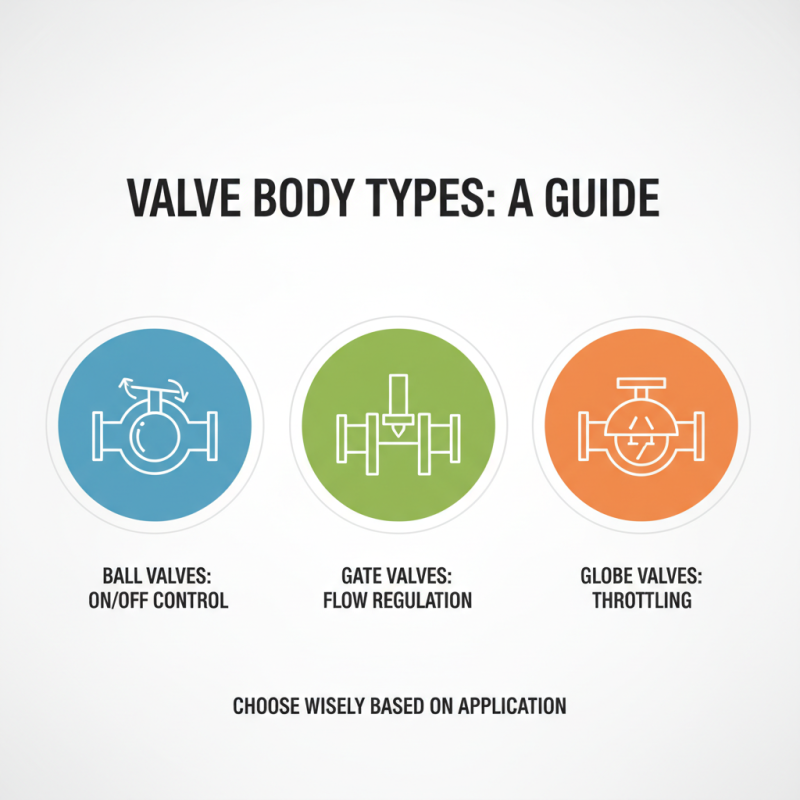
When selecting a valve body, understanding the different types available is crucial. Valve bodies come in various designs, each serving unique functions. For example, ball valves are ideal for on/off control, while gate valves excel in regulating flow. Knowing the application will guide your choice effectively.
Tips: Consider the environment. Will the valve face high pressure or aggressive fluids? This factor can dictate material choice and design.
Another significant type is the globe valve. It is excellent for throttling flow but can create pressure drops. While it’s versatile, it may not be the most efficient in all situations. Evaluate the specific needs of your project to avoid costly mistakes.
Tips: Always consult specifications. Misunderstanding a valve body’s limits could lead to failures. A simple oversight can change project outcomes. Make informed decisions based on reliable information.
Key Factors to Consider When Selecting Valve Bodies for Your Application
Choosing the right valve body for your application involves careful consideration. Several factors play a crucial role in this decision. One significant aspect is the pressure rating. For example, industry standards suggest selecting a valve body rated for at least 20% above maximum operational pressure. This adds a safety margin that can prevent potential failures.
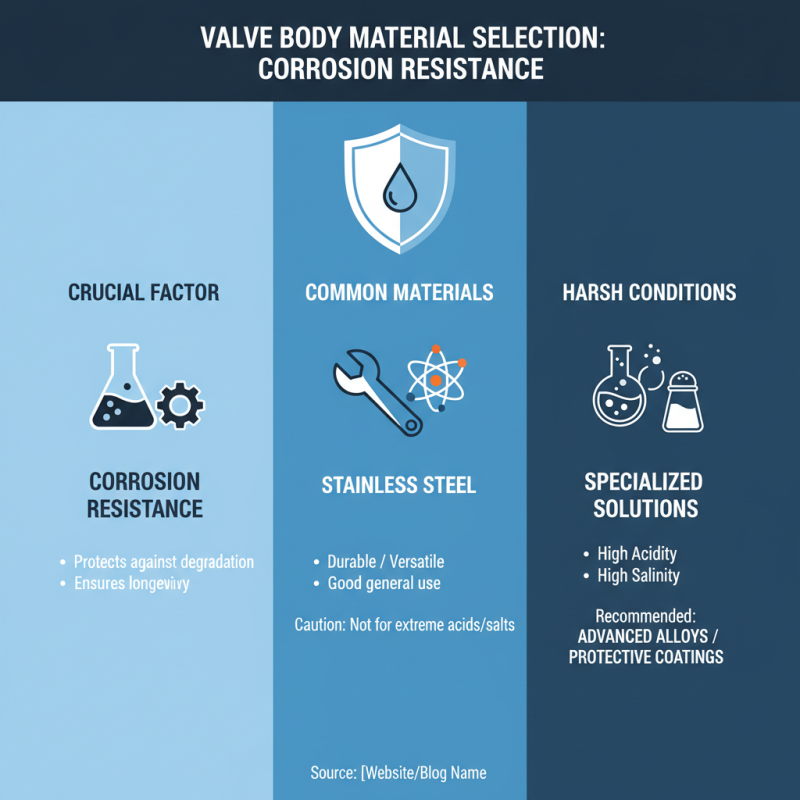
Another critical factor is the material of the valve body. Depending on the application, different materials may be more suitable. Research indicates that stainless steel is preferred in corrosive environments, while ductile iron might suffice in less demanding applications. Notably, nearly 35% of valve failures are linked to material compatibility issues, highlighting the importance of this choice.
The size of the valve body cannot be overlooked. Mismatched sizes can lead to reduced flow efficiency. Consideration must also be given to the installation space. Often, projects face limitations that require creative solutions. Ignoring these factors may lead to costly redesigns or delays. In fact, up to 25% of project overruns are attributed to overlooked specifications in valve selection.
Sizing and Flow Characteristics: Ensuring Optimal Performance
Choosing the right valve body is crucial for any project. Proper sizing and understanding flow characteristics can enhance performance significantly. According to a report from the American Society of Mechanical Engineers (ASME), optimizing valve size can improve flow efficiency by up to 30%.
Flow characteristics depend on many factors. The type of fluid, pressure, and temperature all play a role. Research from the International Society of Automation (ISA) indicates that valves with tailored flow paths can reduce turbulence. This minimizes wear and tear on the system. Correct sizing prevents issues like cavitation and excessive pressure drops. Choosing a valve too small can lead to increased energy costs and inefficiency.
A common mistake is neglecting maintenance schedules. Valves can degrade over time, affecting performance. Regular checks are vital to ensure flow rates remain optimal. Data from the Fluid Power Journal shows that systems without regular maintenance can experience a 20% drop in efficiency. Assessing the flow characteristics for specific applications is also key. Some projects might require adjustable flow settings, while others need fixed flow rates.
How to Choose the Right Valve Body for Your Project? - Sizing and Flow Characteristics: Ensuring Optimal Performance
| Valve Type |
Size (inches) |
Flow Rate (GPM) |
Pressure Drop (PSI) |
Material |
| Ball Valve |
2 |
100 |
5 |
Brass |
| Gate Valve |
3 |
200 |
3 |
Stainless Steel |
| Globe Valve |
1.5 |
75 |
8 |
PVC |
| Check Valve |
4 |
150 |
4 |
Aluminum |
| Butterfly Valve |
8 |
250 |
6 |
Cast Iron |
Industry Standards and Certifications: Compliance for Valve Body Selection
When selecting a valve body, industry standards and certifications are crucial. Compliance ensures the valve functions properly in its environment. It’s essential to understand the specific standards relevant to your project, such as API, ASME, or ISO certifications. These guidelines dictate material quality and pressure ratings, ensuring safety and reliability.
However, compliance can be tricky. Not all manufacturers disclose their certifications clearly. Sometimes, certification marks can be misleading. Therefore, verifying the credentials through third-party audits is vital. You might also encounter varying interpretations of standards, which could impact your choice.
Failing to pick the right criteria can lead to costly errors. A poor selection could result in leaks or failures in a system. It’s essential to reflect on these risks. Take time to gather all necessary documentation before starting your project. Ensure that the valve body selected aligns with the specific application it will serve. Understand that a hasty decision can lead to significant setbacks.
How to Choose the Right Valve Body for Your Project?
This bar chart illustrates the importance of various criteria for selecting a valve body for your project, including Material Compliance, Pressure Rating, Temperature Rating, Certification Standards, and Test Reports. Each criterion is rated on a scale of 1 to 10, helping you prioritize what matters most in your choice.