What is a Disc Brake Caliper and How Does It Work?
The Disc Brake Caliper is a crucial component in modern braking systems. It houses the brake pads and pistons, transferring hydraulic force to create friction. According to a report from the Automotive Engineering Society, about 75% of vehicles on the road today use disc brake systems. This widespread adoption highlights the importance of understanding their operation.
When a driver applies the brake pedal, the brake fluid travels through the lines to the Disc Brake Caliper. This movement activates the pistons, pushing the brake pads against the rotor. Efficient braking relies on this process, yet many still overlook the complexities of calipers. Routine maintenance, like checking for fluid leaks or pad wear, is often ignored, leading to safety concerns.
Understanding the functionality of the Disc Brake Caliper is essential for car owners. This knowledge empowers them to better maintain their vehicles. Moreover, keeping up with the latest industry standards can enhance their driving safety. While advancements are constant, the fundamentals of disc brake technology remain key to reliable vehicle performance.
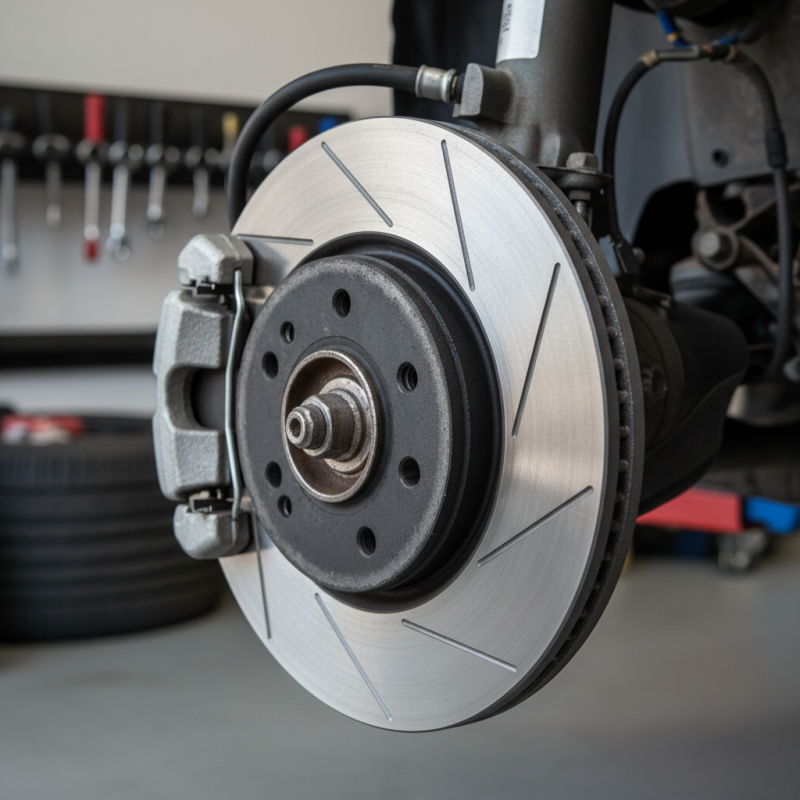
What Is a Disc Brake Caliper? Definition and Functionality
A disc brake caliper is an essential component of a vehicle's braking system. Its primary function is to apply pressure on the brake pads against the brake disc to create friction. This action slows down or stops the vehicle when the driver presses the brake pedal. According to industry reports, about 90% of modern vehicles use disc brakes because of their efficiency and superior heat dissipation compared to drum brakes.
The caliper consists of one or more pistons, which are typically made of aluminum or cast iron. When the brake pedal is pressed, hydraulic fluid flows into the caliper, pushing the piston(s) outward. This movement forces the brake pads against the disc. The materials and design of the caliper directly impact braking performance. Research shows that improper caliper maintenance can lead to brake fade or even failure, highlighting the need for regular inspections.
Despite their popularity, disc brake calipers can sometimes present challenges. Issues like uneven wear of brake pads or corrosion can arise if not properly maintained. The National Highway Traffic Safety Administration (NHTSA) identifies that brake issues contribute to significant road safety incidents. Understanding the functionality and common problems of disc brake calipers is crucial for any vehicle owner. Regular checks and preventive measures can enhance overall vehicle safety.
Key Components of a Disc Brake Caliper and Their Roles
A disc brake caliper is a crucial part of a vehicle's braking system. It houses the brake pads and uses hydraulic pressure to clamp the pads against the rotor. Understanding its components helps grasp how this system functions effectively.
Key components include the piston, brake pads, and mounting bracket. The piston applies force by pushing the brake pads against the rotor. This process generates friction, which slows down the wheel. The brake pads, made of various materials, wear down over time. They need regular checks and replacements to maintain braking efficiency. The mounting bracket holds the caliper in place, ensuring stability during braking.
Regular maintenance of the caliper is vital. A worn-out piston can lead to uneven braking, causing potential safety issues. Likewise, neglecting brake pad inspection can affect overall performance. While this system is effective, it requires attention to detail for optimal operation.
How Disc Brake Calipers Generate Friction in Stopping Power
Disc brake calipers play a crucial role in the braking system of vehicles. They generate friction, which is essential for effective stopping power. When the driver presses the brake pedal, hydraulic fluid from the brake master cylinder activates the caliper. This pushes the brake pads against the rotor. The friction between the pads and the rotor slows the vehicle down. According to industry reports, modern disc brakes can produce stopping forces exceeding 1,000 pounds, depending on the vehicle's weight and speed.
Friction material in brake pads significantly influences performance and safety. High-performance pads contain composite materials that improve heat dissipation and reduce brake fade. However, not all brake pads meet the rigorous standards expected. Reports from key automotive safety organizations indicate that subpar pads can reduce stopping efficiency by up to 30%. This decline in braking performance can be dangerous and stresses the importance of regular inspections.
The design of the caliper also affects friction generation. Fixed calipers often offer superior stopping power compared to sliding types due to their design. They bear down on the rotor from both sides, distributing pressure evenly. Yet, sliding calipers are more common due to their simpler design. Each has its pros and cons, and understanding these differences is crucial for optimal vehicle performance. Balancing cost, efficiency, and safety remains a challenge for manufacturers and consumers alike.
Common Types of Disc Brake Calipers: Fixed vs. Floating
Disc brake calipers are essential components for slowing down vehicles. They come in two main types: fixed and floating calipers. Understanding these types can help you choose the right braking system for your needs.
Fixed calipers have pistons on both sides of the rotor. This provides even pressure and better performance. They are often more reliable and offer superior handling characteristics. However, fixed calipers can be heavier and more expensive. Make sure to inspect their design before use.
Floating calipers, on the other hand, have a single piston and move with the rotor. This design makes them lighter and generally more cost-effective. However, floating calipers can sometimes lead to uneven wear if not properly maintained. Regular checks can help prevent issues.
Tips: Always look for wear patterns on your brake pads. Uneven wear might indicate caliper issues. Routine maintenance is key for optimal performance. Don't hesitate to consult a professional for guidance if you're unsure about your brake system. Understanding these nuances can enhance your vehicle's safety and performance.
Maintenance Best Practices for Disc Brake Calipers in Vehicles
Maintaining disc brake calipers is crucial for vehicle safety and performance. Regular inspection can prevent costly repairs. Ensure that you check for rust and wear on the caliper housing. A caliper with visible damage can compromise braking efficiency.
Cleaning is essential. Dirt and grime can affect performance. Use a soft brush and brake cleaner to remove debris. Additionally, lubricate the caliper slides with a suitable grease to prevent sticking and ensure smooth operation.
Be cautious with brake fluid levels. Low fluid can indicate leaks. Replace worn pads promptly. Waiting too long puts more stress on the caliper. Remember, a small issue can become a major problem if ignored. Regular checks lead to safer driving experiences. Always keep these factors in mind for effective maintenance.