• (714) 253-3115

What Are Electric Drift Trikes and How Do They Work?

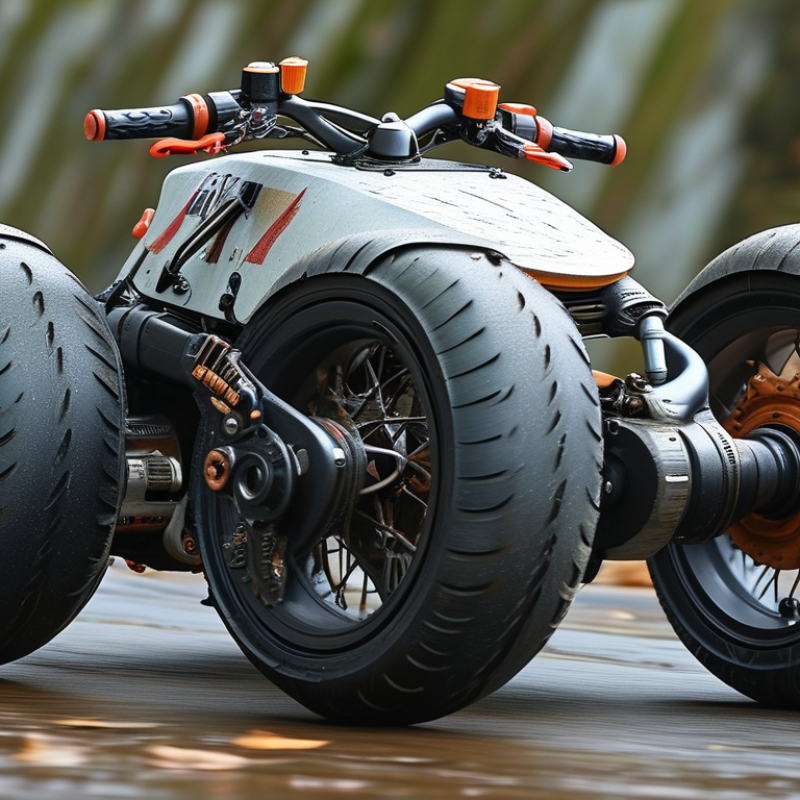
Electric Drift Trikes are compact three-wheeled vehicles built for controlled sliding, sharp turns, and low-speed recreational riding. Unlike ordinary bicycles, they combine a front steering wheel with two rear wheels, often fitted with hard plastic sleeves. These sleeves reduce rear-wheel grip, allowing the trike to rotate when the rider turns and applies power.

At the heart of most Electric Drift Trikes is a battery-powered motor, usually mounted near the rear axle or inside a rear wheel. The battery sends electricity through a controller, which regulates acceleration from the handlebar throttle. When the rider enters a turn, body position, steering angle, throttle input, and surface texture work together. A smooth driveway may produce a long slide. Rough pavement can stop it suddenly.

Jason Fenske, an automotive engineer and creator of Engineering Explained, has repeatedly stressed the importance of understanding vehicle systems rather than focusing on one component: “A vehicle is a system, not just a motor.” That principle fits these trikes well. Motor power matters, but braking, frame strength, tire grip, weight distribution, and battery placement matter just as much.

They are not toys in every situation.

A small mistake can create a fast, unexpected spin. Riders should understand the manufacturer’s limits, use protective equipment, and practice in open areas away from traffic and pedestrians. Some designs feel stable, while others become nervous during hard turns. That difference is easy to underestimate. This guide examines how Electric Drift Trikes transfer electrical energy into motion, why their rear wheels slide, and where their practical limitations deserve more honest attention.
What Are Electric Drift Trikes and How Do They Work?

Electric Drift Trikes: Definition and Core Characteristics

What Are Electric Drift Trikes and How Do They Work?

Electric Drift Trikes: Definition and Core Characteristics

An electric drift trike is a three-wheeled vehicle designed for controlled sliding. It uses a rechargeable battery, electric motor, controller, and throttle. The front wheel handles steering, while two rear wheels support the rider and create reduced traction. Hard rear surfaces can make drifting easier, but they also reduce stability. The definition sounds simple. Real handling is less predictable.

Most models have a low seat, wide rear axle, and footrests near the front wheel. Their low center of gravity can improve balance during turns. Motor output affects acceleration, hill performance, and wheel response. Battery capacity influences riding time, while tire material changes how quickly the rear end slides. Brakes, frame strength, and steering limits matter too. These details are core characteristics, not decorative features. A powerful motor cannot compensate for poor control.

Tips: Check the battery, throttle, brakes, and tire condition before each ride. Practice slow turns in a clear, private area with protective gear. Keep both hands on the handlebars. Avoid wet surfaces, loose gravel, and crowded paths. Local rules may restrict where these vehicles can operate, so verify them before riding. Beginners often focus on speed first, which is a mistake. Smooth throttle control usually feels less exciting, but it teaches better judgment. Even experienced riders can misjudge a tight turn. That deserves respect.

Main Components and How They Function Together

What Are Electric Drift Trikes and How Do They Work?

An electric drift trike combines a rechargeable battery, motor, controller, frame, steering system, and rear drift wheels. The battery stores direct-current energy. A controller regulates that energy before it reaches the motor. Twisting the throttle sends a signal, and the controller adjusts motor speed. Many designs use a hub motor near the rear axle. Others use a chain-driven motor for easier servicing.

The steering fork guides the front wheel, while the low seat keeps the rider close to the ground. Rear wheels with reduced grip allow controlled sliding on suitable private surfaces. Brakes convert motion into heat through friction or electronic control. A battery-management system monitors voltage, temperature, and cell balance.

That small electronic layer matters. Poor thermal control can shorten battery life and reduce predictable power delivery. The International Energy Agency’s Global EV Outlook 2024 identifies electric two- and three-wheelers as the largest electric road-transport segment by sales. However, an industry report’s category may include many vehicle types, so direct comparisons can mislead.

Tips: Check battery voltage, watt-hours, motor rating, brake type, and charger protection. Measure real riding range, not only advertised distance. Cold weather, rider weight, tire pressure, and repeated drifting change performance. Keep cables dry and inspect axle fasteners before every ride. I would also test throttle response slowly. Specifications rarely describe that first, slightly awkward moment. Safety guidance from the U.S. Consumer Product Safety Commission stresses using compatible chargers and monitoring lithium-ion batteries for overheating or damage.

How Electric Power Enables Drifting and Maneuverability

Electric drift trikes combine a compact electric drive system with a rear end designed to lose traction predictably. The motor sends torque through a controller, which regulates acceleration from the handlebar throttle. When torque exceeds rear-wheel grip, the back of the trike begins to slide. Low-friction rear sleeves can make this movement smoother, while a wide front tire maintains steering contact. The result feels different from ordinary cycling. It is more deliberate, yet sometimes surprisingly abrupt.

Electric power makes drifting easier because torque arrives quickly and consistently. A rider can apply small throttle changes to start, hold, or reduce a slide. Battery output also supports repeated maneuvers without constant pedaling. However, power alone does not create control. Weight distribution, steering angle, tire condition, and surface texture all matter. Smooth pavement may produce a clean arc. Dust or wet ground can make the same input unpredictable.

Practical control begins with low speed and gentle throttle pressure. Keep both hands steady, look through the turn, and use the brake carefully rather than suddenly. A sudden brake input can shift the trike’s balance. It is also worth checking battery mounts, wiring, axle fasteners, and tire wear before riding. Some designs respond faster than expected. That is where judgment matters. The technology is capable, but the rider still has to respect its limits.

What Are Electric Drift Trikes and How Do They Work? - How Electric Power Enables Drifting and Maneuverability

Data Dimension Typical Specification or Description How It Supports Drifting and Maneuverability Practical Consideration
Vehicle layout One steerable front wheel and two rear wheels, usually with a low seat and extended frame The narrow front contact path allows steering input to initiate a turn while the light rear end can slide outward The layout is designed for controlled sliding rather than high-speed cornering
Electric motor output Common recreational systems provide approximately 500–2,000 watts of rated or peak motor power Instant motor torque can overcome rear-wheel grip and help start or maintain a controlled slide Actual performance depends on rider weight, surface grip, gearing, battery voltage, and controller settings
Battery system Lithium-ion battery packs commonly range from about 36–72 volts, with capacity often measured in ampere-hours Higher voltage can support stronger acceleration and more consistent motor performance under load Energy content is approximately calculated as volts × ampere-hours; real range is reduced by drifting, hills, and repeated acceleration
Rear-wheel traction Rear tires may use hard plastic sleeves or low-grip surfaces to reduce friction Lower friction makes it easier for the rear wheels to lose traction and rotate around the front wheel Low-grip tires increase sliding behavior but also reduce braking performance and stability
Steering geometry Handlebars control the front wheel; many designs use a relatively short turning radius Fast steering response allows the rider to set the drift angle and correct the vehicle direction Sharp steering can make the trike more responsive but may require greater rider coordination
Speed range Many recreational electric drift trikes are designed for approximately 15–40 km/h, depending on configuration Moderate speed provides enough momentum for sliding while keeping steering corrections manageable The safe operating speed should match the surface, riding area, protective equipment, and local regulations
Throttle control A thumb throttle or twist throttle regulates the motor controller's power demand Small throttle changes let the rider add torque to extend a slide or reduce power to regain traction Smooth, progressive control is easier to manage than abrupt full-power acceleration
Braking system Mechanical or hydraulic disc brakes are commonly used; some systems may include regenerative braking Braking transfers speed control from the motor to the wheel brakes and helps end a drift Regenerative braking can recover a small amount of energy, but it does not replace friction brakes
Weight and center of gravity A low seat and long wheelbase commonly place the rider close to the ground and distribute mass along the frame A low center of gravity helps reduce the likelihood of tipping during a controlled turn A longer or heavier frame may feel stable but can require more space to turn
Riding surface Smooth, clean, dry pavement generally offers more predictable handling than loose gravel, wet pavement, or uneven ground Consistent surface friction makes the transition between grip and slide easier to anticipate Wet or contaminated surfaces can sharply increase stopping distance and reduce steering control
Estimated riding range Approximately 15–50 km per charge for many recreational configurations Electric power provides repeated acceleration without fuel, but aggressive drifting consumes energy faster than steady cruising Range varies with battery energy, rider mass, speed, tire pressure, temperature, and terrain
Control principle Drifting combines steering angle, motor torque, speed, and rear-wheel traction The rider initiates a turn, applies measured power to reduce rear traction, and countersteers to control the slide Practice should take place in an open, legal, controlled area while wearing a helmet and suitable protective gear

Note: Specifications are representative ranges for recreational electric drift trikes. Actual values vary by vehicle design, battery condition, rider weight, surface, and local operating requirements.

Controls, Safety Features, and Riding Techniques

Electric drift trikes use a motor to drive the rear wheels while the front wheel controls direction. Their low seating position helps riders feel stable during slow turns. The throttle usually sits on the handlebar and controls acceleration smoothly. A brake lever, foot pedal, or electronic cutoff may stop the motor. Some models also include speed modes, reverse control, and battery protection systems.

Safety features matter more than dramatic slides. Wear a certified helmet, gloves, closed shoes, and protection for your knees and elbows. Check the tires, steering linkage, brake response, and battery enclosure before every ride. A loose part can change the trike’s behavior quickly. Practice on a dry, private, open surface away from traffic, people, and obstacles. Follow local riding rules and manufacturer limits. Never assume a low seat makes the trike harmless.

Use gentle throttle pressure and keep both hands on the handlebars. Look through the turn, not at the rear wheels. My first turns were too abrupt, and the trike rotated faster than expected. Reduce speed before entering a corner, then steer smoothly while maintaining light throttle. Shift your weight slightly inward, but avoid leaning beyond the frame. If the rear wheels begin sliding too widely, release the throttle and straighten the steering. That correction can feel slow. It is usually safer. Wet pavement, loose gravel, and steep slopes reduce control sharply, so avoid them while learning.

Common Uses, Maintenance Needs, and Limitations

Electric drift trikes combine a battery motor, a steerable front wheel, and two wide rear wheels. The rear axle can lose traction during controlled turns. Riders commonly use them for recreational track sessions, short private-property rides, and skill practice. They are less suitable for commuting, cargo, or rough streets.

Their maintenance needs are simple but easy to underestimate. Check tire pressure, rear-wheel wear, axle tightness, brake response, and battery connections before each ride. The U.S. Department of Energy reports that electric vehicles generally need less routine maintenance because they have fewer moving parts and no engine oil. However, drift trikes still stress tires, bearings, and steering components. The International Energy Agency reported more than 14 million new electric cars worldwide in 2023, showing stronger battery-market support, but trike-specific reliability data remains limited. That gap matters. A small motor can still overheat on steep ground.

Tips: Store the battery in a cool, dry place. Avoid charging immediately after a hard ride. Inspect cables for cuts or swelling. Replace damaged tires early. Wear a helmet and protective clothing, even during slow practice. A practical test should include braking, turning, and stopping on the actual riding surface. Loose gravel can change the trike’s behavior quickly. Wet pavement is worse. Range also depends on rider weight, temperature, slope, and repeated drifting. Manufacturer claims may assume ideal conditions, so real-world distance can be noticeably shorter.

CALL NOW