What is a Magnetic Ac Contactor and How Does It Work?
A Magnetic Ac Contactor is an essential component in electrical systems. It plays a critical role in controlling high voltage and current circuits. According to recent industry reports, the global magnetic contactor market is projected to grow at a CAGR of 6.5% from 2021 to 2026. This growth underscores the importance of efficient electrical components in various sectors, including manufacturing and automation.
Understanding how a Magnetic AC Contactor works is vital for professionals in electrical engineering. This device uses electromagnetic principles to operate. When electrical current flows through the coil, it creates a magnetic field. This magnetic field then closes the contacts, allowing current to pass through the load. The simplicity of its design contrasts with its complexity in application, making reliable performance crucial.
Despite its advantages, there are challenges in using Magnetic AC Contactors. For instance, improper sizing can lead to overheating. Regular maintenance is essential to prevent failures. The consequences of neglecting this can be significant, including downtime and financial losses. Therefore, a thorough understanding of its operation and potential pitfalls is necessary for anyone involved in electrical systems.
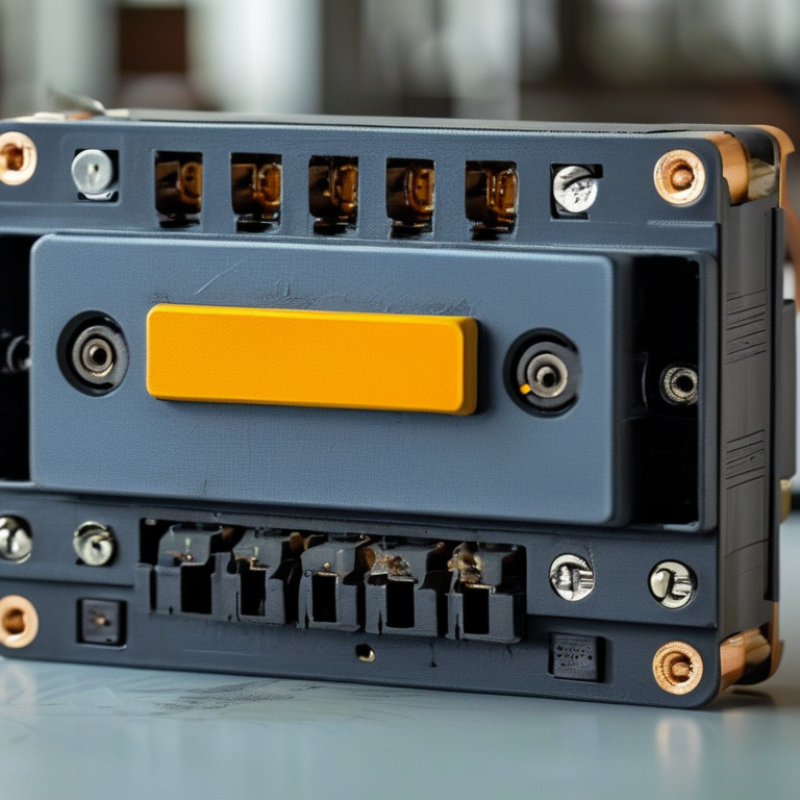
What is a Magnetic AC Contactor? An Overview
Magnetic AC contactors play a vital role in electrical systems. They are electromechanical switches used to control large electrical loads. When an AC signal is applied, the contactor's coil energizes. This generates a magnetic field that closes the contacts. The current flows through the load, allowing machines to operate. Though they are reliable, improper installation can lead to failures.
These devices are designed to handle various industrial applications. From motors to lighting systems, their versatility is unmatched. However, they must be chosen carefully. The contactor’s rating should match the load capacity. An under-rated contactor may overheat. This can cause electrical failures. Regular checks and maintenance are necessary for longevity.
Understanding the working principles of magnetic AC contactors contributes to safer operations. They utilize electromagnetic induction, allowing for remote control of electrical circuits. However, users often overlook the importance of protective devices. Circuit breakers and fuses can enhance safety. Yet, their absence may lead to catastrophic results. Awareness of these factors ensures a more efficient electrical system.
The Basic Components of a Magnetic AC Contactor
A magnetic AC contactor is an essential component in electrical systems. Its primary role is to control the flow of electricity to various loads. It operates using electromagnetic principles. At its core, a contactor consists of an electromagnet, contact points, and a housing. The electromagnet generates a magnetic field when current flows. This field attracts a movable armature, closing the contacts and completing the circuit.
The contacts in a contactor are typically made of conductive materials, like copper or silver. These materials ensure efficient conductivity while minimizing overheating. According to a report by the International Electrotechnical Commission (IEC), contactors can handle currents ranging from a few amperes to several hundred amperes, depending on their design. The housing is designed to protect the internal components from environmental factors, thus ensuring reliability.
Maintenance is crucial for optimal operation. Contact wear and dirt accumulation can impair performance. Regular checks help detect these issues early. It’s important to consider the electrical load when selecting a contactor. Too much load can lead to overheating and failure. Data from industry studies suggest that a significant percentage of electrical failures could be traced back to improperly sized contactors. Understanding these fundamental components and their functions is vital for anyone involved in electrical management.
How Magnetic AC Contactors Operate: The Principles of Electromagnetism
Magnetic AC contactors play a crucial role in electrical systems by controlling power circuits. They operate primarily based on the principles of electromagnetism. When a voltage is applied, the coil inside the contactor generates a magnetic field. This electromagnetic force attracts a movable armature, which closes the contacts and allows current flow. According to a report by the International Electrotechnical Commission, around 60% of electrical systems rely on magnetic contactors for efficient operation.
The efficiency of magnetic AC contactors can vary. Factors such as coil resistance and contact material impact performance. High-quality components can withstand wear and tear better. However, there can be issues with overheating if the current ratings are exceeded. Statistics show that improper sizing of contactors can lead to failure rates of up to 25% in industrial settings. Therefore, careful selection is essential.
These contactors come in different configurations, including single-pole and three-pole designs. The choice affects both the reliability and function of the device. Despite advancements, there are still cases where contactor failure occurs due to environmental factors. Dust and moisture can interfere with functionality. It's important to regularly inspect and maintain these components to ensure prolonged lifespan and optimal performance.
Common Applications of Magnetic AC Contactors in Industry
Magnetic AC contactors are widely used in various industrial applications. Their primary function is to control the power supply to equipment like motors and lighting systems. In factories, these contactors help manage large loads safely and efficiently. They operate by using an electromagnetic coil to create a magnetic field that allows or interrupts the flow of electricity.
One common application is in motor control. These contactors can start and stop electric motors, ensuring they operate only when needed. This not only helps in energy conservation but also extends the lifespan of equipment. Another significant use is in lighting control systems. Magnetic AC contactors can automate lighting, making it easier to manage energy consumption in large spaces.
However, their effectiveness can vary based on several factors. The environment where they are installed plays a crucial role. Dust, moisture, and temperature extremes can affect their performance. Regular maintenance is essential to ensure reliability. In some instances, businesses may overlook this, leading to unexpected failures. Understanding these nuances can enhance the longevity and efficiency of magnetic AC contactors in industrial settings.
What is a Magnetic Ac Contactor and How Does It Work? - Common Applications of Magnetic AC Contactors in Industry
| Application | Description | Operating Voltage (V) | Current Rating (A) | Typical Use |
| Motor Control | Controls the operation of electric motors in machinery. | 220-600 | 5-100 | Industrial machines, conveyors |
| Lighting Control | Automates the switching of lights in buildings and outdoor areas. | 120-240 | 10-30 | Street lights, industrial lighting |
| HVAC Systems | Controls heating, ventilation, and air conditioning systems. | 208-480 | 15-50 | Commercial buildings, factories |
| Power Distribution | Automatic switching of electrical distribution networks. | 480-600 | 50-800 | Industrial power systems, substations |
| Safety Systems | Enables emergency shutdown in hazardous situations. | 24-240 | 1-20 | Manufacturing, chemical plants |
Key Benefits and Performance Metrics of Magnetic AC Contactors
Magnetic AC contactors are essential in modern electrical systems. They help in controlling large electrical loads, such as motors and lighting. One key benefit of a magnetic contactor is its ability to handle high currents while maintaining a compact size. This makes them suitable for various applications, including commercial and industrial settings.
Another significant advantage is their reliability. Magnetic AC contactors have a long operational life due to their robust design. They can withstand frequent switching without failure. Regular maintenance, however, is still necessary to ensure optimal performance. Over time, contact wear can affect efficiency. Monitoring this wear becomes crucial for sustained operation.
In addition to reliability, these contactors offer energy savings. They reduce power loss during operation, leading to lower electric bills. This aspect is often overlooked. Users need to assess the right specifications for their specific applications. A mismatch can lead to inefficiencies. Thus, understanding the metrics is vital for maximizing performance and energy efficiency. Effective selection can enhance productivity and minimize downtime.
Performance Metrics of Magnetic AC Contactors