• (714) 253-3115

China Top Auto Spare Parts Manufacturers and Suppliers?

Choosing reliable China auto spare parts manufacturers and suppliers requires more than comparing prices. Buyers need evidence from the factory floor, not attractive catalog images. Production capacity, material control, testing procedures, and export experience can shape every shipment.

Paul McCarthy, an aftermarket industry expert and CEO of MEMA Aftermarket Suppliers, states, “Quality and trust must move together in the aftermarket.” This principle is practical. A dependable supplier should provide clear OE references, fitment data, batch records, and warranty terms. Certifications can support confidence, but they do not replace independent verification. A polished website proves little.

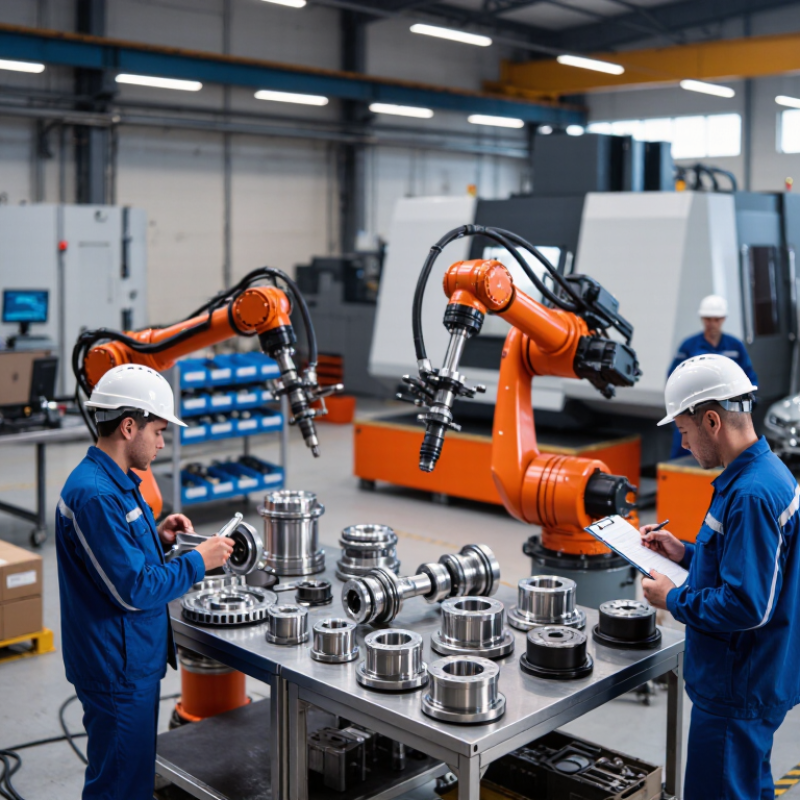
Factory audits reveal useful details. Inspectors may check machining accuracy, rubber hardness, packaging strength, and final inspection records. Product samples should be tested against real vehicle applications. Communication also matters. Can the supplier explain a tolerance issue clearly? Can it respond when a part fails in the field?

No ranking is perfect. Some smaller factories offer excellent engineering, while larger exporters may rely heavily on outside production. Buyers should review several suppliers before committing. They should also confirm company registration, production ownership, quality systems, and after-sales responsibility. Reliable auto spare parts sourcing is built through evidence, repeated orders, and honest conversations. The cheapest quote may become expensive after returns, delays, and damaged customer trust.
China Top Auto Spare Parts Manufacturers and Suppliers?

Defining China’s Auto Spare Parts Manufacturing Industry

China’s auto spare parts manufacturing industry is more than a collection of low-cost workshops. It combines casting, machining, electronics, rubber production, tooling, testing, and international logistics. According to the China Association of Automobile Manufacturers, China produced 30.16 million vehicles in 2023 and sold 30.09 million. This scale creates strong demand for original-equipment and replacement components.

The supply chain is deep. A single suspension component may pass through forging, heat treatment, CNC machining, coating, inspection, and packaging. Small errors matter. A rough surface or incorrect hardness can shorten service life. Professional buyers should review ISO 9001 systems, IATF 16949 capability, material certificates, dimensional reports, and traceability records. Factory audits still matter.

China Customs data shows that auto parts remain a major export category, supported by mature ports and dense supplier networks. However, shipment volume does not prove engineering quality. That assumption deserves caution. Reliable manufacturers use calibrated measuring equipment, sample approval procedures, failure analysis, and controlled process changes. They also communicate realistic tolerances instead of promising everything.

The industry is changing quickly. Electric vehicles are increasing demand for thermal systems, lightweight structures, sensors, connectors, and battery-related components. A 2024 McKinsey automotive supply-chain analysis also highlights rising pressure for digital tracking and resilient sourcing. Yet many smaller factories still depend on manual records. That gap creates risk, but it also reveals where serious suppliers can improve.

Key Categories of Auto Spare Parts Made in China

China’s auto-parts manufacturing base covers far more than replacement filters and brake pads. According to the China Association of Automobile Manufacturers, China produced 31.28 million vehicles in 2024. That scale supports mature production in body panels, suspension systems, steering parts, and engine components.

Electrical categories are expanding quickly. The International Energy Agency reported that China accounted for more than half of global electric-car sales in 2023. Chinese suppliers therefore produce battery enclosures, charging modules, wiring harnesses, sensors, power-control units, and thermal-management parts. These products require tighter testing, traceability, and software compatibility than traditional mechanical parts. Small errors matter.

Interior and exterior components remain important. Common categories include lighting assemblies, mirrors, door handles, dashboards, seats, rubber seals, and cooling modules. In practical supplier audits, material certificates and dimensional reports often reveal more than attractive product photos. Still, category names can mislead. A “complete suspension kit” may exclude bushings, fasteners, or alignment hardware. Buyers should verify drawings, vehicle applications, test standards, warranty terms, and batch-control procedures before ordering. The China Automotive Aftermarket Research Institute has repeatedly highlighted fragmented aftermarket demand, making fitment data especially important. Cheaper is not always lower risk. Sometimes it is only less documented.

Leading Types of Chinese Auto Parts Manufacturers and Suppliers

China’s auto parts sector includes several leading supplier types. OEM and Tier suppliers manufacture parts for vehicle assembly lines. They follow detailed drawings, process controls, and strict inspection plans. Their strengths include stable production, engineering support, and long-term quality systems. Many can provide material certificates, test reports, and production traceability. Buyers should still verify these documents independently. Paperwork can look better than factory practice.

Aftermarket manufacturers serve repair shops and distributors worldwide. They produce filters, brake components, suspension parts, lighting units, and body panels. Product ranges are usually broad and prices can be competitive. Quality may vary between factories. A lower price is not always a bargain. Component specialists focus on one technical field, such as rubber seals, electrical sensors, or engine cooling parts. Their narrow focus often brings stronger process knowledge and faster technical communication. Yet, some smaller factories may lack consistent export experience.

Remanufacturers inspect, clean, repair, and test used components under controlled procedures. Their work can reduce material waste, but acceptance standards must be clearly defined. Trading companies represent another common supplier type. They can combine products from several factories and simplify communication. However, buyers may have less visibility into the actual producer. During evaluation, request production samples, inspection records, factory photos, and clear warranty terms. Ask for testing details. Samples may pass while mass production changes quietly. That uncomfortable gap deserves attention. Reliable sourcing improves when buyers compare technical capability, traceability, response speed, and actual inspection results rather than relying on price alone.

How to Evaluate Chinese Auto Parts Suppliers

Choosing reliable Chinese auto spare parts manufacturers requires more than comparing prices. A supplier’s website may look polished, yet the production floor tells a different story. Ask for a factory video, business license, quality certificates, and recent inspection records. Verify whether the company manufactures parts or only trades them. This distinction affects traceability, pricing, and technical support.

Request samples from the same production line used for bulk orders. Check dimensions with a caliper, inspect surface finishing, and compare packaging labels with product codes. For electrical or safety-related components, ask for test reports, material details, and failure-rate data. A serious supplier should explain its inspection stages clearly. It should also accept reasonable third-party audits.

Communication is another practical test. Send a detailed drawing, tolerance sheet, and forecast quantity. Measure how accurately the supplier responds. Vague answers often create costly revisions later. Review payment terms, tooling ownership, delivery schedules, warranty procedures, and replacement policies in writing. Do not rely on promises made only through chat messages.

I once saw a buyer approve a low-cost sample without testing it under heat and vibration. The first shipment looked acceptable but failed in actual use. That mistake was avoidable. Still, even careful evaluations have limits. A small trial order, followed by performance monitoring, offers stronger evidence than certificates alone. Check batch numbers, keep inspection photos, and record every deviation before expanding the order.

Sourcing and Importing Auto Spare Parts from China

Sourcing and importing auto spare parts from China requires more than comparing factory quotes. Trade Map data, based on UN Comtrade records, places China’s HS 8708 exports at roughly US$90 billion in 2023. This scale shows strong manufacturing capacity, but it does not guarantee stable quality. Buyers should request material certificates, dimensional drawings, batch records, and pre-shipment inspection results. Ask suppliers to confirm tooling ownership and production lead times in writing. Small samples help.

Product fit matters most. Match each part with the correct HS code, vehicle application, material specification, and destination-market requirements. A professional supplier should explain tolerances, packaging, labeling, and warranty procedures clearly. IATF 16949 or ISO 9001 certification can support confidence, but certificates alone prove little. Audit the production line. Check incoming materials, calibration records, traceability, and final testing. Some suppliers look excellent in a video call. Reality can differ. This is where judgment may fail.

The World Bank’s Logistics Performance Index 2023 ranked China 19th globally, supporting its strong export infrastructure. Even so, importers should calculate ocean freight, insurance, customs duties, inspection fees, and possible port delays. Use a written purchase contract with measurable acceptance standards. Approve a pre-production sample before mass manufacturing. Keep communication records. The cheapest quotation may hide weaker rubber compounds, inconsistent plating, or unclear replacement terms. A careful importer sometimes pays more for verification and sleeps better.

CALL NOW