• (714) 253-3115

Who Are the Top Club Steering Lock Suppliers in China?

Choosing a reliable club steering lock supplier in China takes more than comparing prices. Buyers need to assess product design, manufacturing consistency, quality controls, and communication. The Club Steering Lock should fit its intended vehicle, engage smoothly, and resist wear during repeated use. A sturdy steel bar is useful, but the lock cylinder, coating, and joints matter too. Small details matter.

China has a broad network of automotive security manufacturers and export-oriented factories. Some focus on high-volume production; others offer custom finishes, packaging, or product dimensions. Supplier websites can help create a shortlist, but claims deserve verification. Ask for current product specifications, sample units, inspection procedures, and clear information about production capacity. Requesting documentation is sensible. It is not a guarantee.

This guide explores how to compare potential suppliers and what evidence to review before placing an order. Buyers can look at material descriptions, dimensional tolerances, packaging quality, warranty terms, and responsiveness to technical questions. Independent testing or a third-party factory audit may provide added confidence, depending on order size and risk. A polished sample does not always reflect every production batch. That is worth remembering. Supplier rankings can also change as capabilities, ownership, and service quality evolve. The strongest choice is not automatically the largest or cheapest company, but the one whose product and process match your requirements and can be checked with reliable evidence.
Who Are the Top Club Steering Lock Suppliers in China?

## What Club Steering Locks Are and How They Work

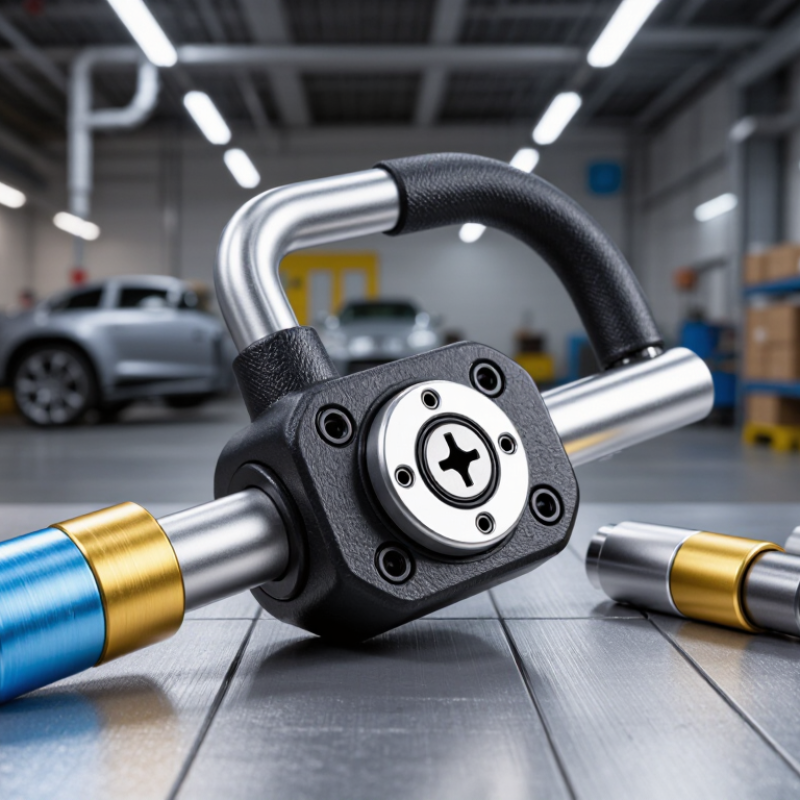
A club steering lock is a removable metal bar that connects to the steering wheel and blocks its rotation. Its hooked ends grip the wheel rim, while a lockable crossbar spans the wheel’s interior. When secured, the bar limits steering movement, making the vehicle harder to maneuver. It is a physical obstacle, not an electronic alarm or an engine immobilizer.

Fit matters. A loose device may shift; an overly tight one can be awkward to install. Check that the hooks sit firmly on the rim and that the bar cannot be removed without unlocking it. Keep the key accessible, but not inside the vehicle. Small details count.

The National Insurance Crime Bureau reported 1,020,729 U.S. vehicle thefts in 2023. That figure describes reported thefts, not the proven effectiveness of any steering lock. A club lock should therefore be treated as one visible layer of protection, alongside sound parking choices and the vehicle’s built-in security features. It can deter. It cannot guarantee prevention. The difference is worth remembering.

## Leading Club Steering Lock Suppliers in China

Who Are the Top Club Steering Lock Suppliers in China?

Leading Club Steering Lock Suppliers in China

China’s club steering lock suppliers serve vehicle-accessory wholesalers, importers, and private-label buyers. Many offer adjustable steel bars, hardened locking hooks, and protective sleeves. Supplier quality can vary, even when product photos look nearly identical. Buyers should request material specifications, production samples, and documented inspection results before placing large orders. A supplier’s ability to explain its testing process matters more than a polished catalogue.

Vehicle theft remains a practical concern. The National Insurance Crime Bureau reported 1,020,729 vehicle thefts in the United States in 2023. That figure is not a forecast for China, but it shows why buyers seek visible, easy-to-use deterrents. A club lock is not a guarantee against theft. For supplier comparisons, check lock-cycle performance, corrosion resistance, fit across steering-wheel sizes, and packaging durability. Ask how defects are recorded and handled. The answer may reveal more than a low quotation.

Tips: Test samples on several steering-wheel shapes, including thick-rimmed models. Check whether the lock sits firmly without damaging trim. Request batch inspection records and confirm that product claims match the actual test scope. Small details matter. I would also ask for repeat samples after design changes; this step is easy to miss, but useful.

Market Context for Club Steering Lock Suppliers in China

Annual vehicle production in selected major markets, 2023 (millions of vehicles)

China’s large vehicle-production base provides context for automotive security-product demand. These figures show vehicle production, not steering-lock sales or supplier rankings. Source: OICA, 2023 production statistics.

## Products, Manufacturing Capabilities, and Quality Standards

China’s club steering lock suppliers offer products in several practical configurations, including adjustable steel bars, padded contact points, and keyed locking heads. Buyers should inspect how each model fits different steering-wheel diameters. A close fit matters. Loose contact can allow movement, while rough edges may damage interior surfaces.

Manufacturing capability is visible in the details: consistent welds, smooth plating, aligned lock parts, and packaging that prevents scratches. Ask suppliers how they control material thickness and verify production batches. Quality checks should include repeated locking cycles, fit testing on representative wheels, and inspection for corrosion or sharp edges. Request test records and samples, not just a catalog. A polished sample can still differ from a later batch. No checklist catches everything. Suppliers that document defects and corrective actions offer a clearer basis for evaluating reliability, though even careful testing cannot guarantee identical performance in every vehicle.

Who Are the Top Club Steering Lock Suppliers in China? – Products, Manufacturing Capabilities, and Quality Standards

This supplier-selection matrix compares product and manufacturing capabilities to investigate. It is not a verified ranking of individual companies; request current documentation and product-specific evidence before qualifying a supplier.

Supplier Capability Area Products or Processes to Check Relevant Manufacturing Capabilities Quality Evidence to Request Useful Standards or References
Mechanical steering-column locks Key-operated locking assemblies, lock housings, locking bolts, and related components designed for a specific steering-column interface. Precision machining, metal forming, component assembly, dimensional inspection, and controlled key-and-lock testing. Approved drawings, material specifications, dimensional inspection results, cycle-test reports, and traceability records for production lots. ISO 9001 or IATF 16949 quality-management certification may be relevant; verify the certificate’s scope and validity.
Electronic steering locks Electrically actuated locking units and, where specified, associated position sensing or control electronics. Electronics assembly, actuator integration, software or firmware control where applicable, end-of-line functional testing, and electrical inspection. Functional test specifications, electrical test results, change-control records, failure-analysis reports, and validation evidence for the intended vehicle application. ISO 16750 can inform environmental testing of electrical and electronic equipment in road vehicles. ISO 26262 applies when the system falls within the scope of functional-safety development; applicability must be assessed for the product.
Steering-wheel anti-theft locks Removable mechanical devices that secure or obstruct steering-wheel movement; these are distinct from vehicle-integrated steering-column locks. Tube or bar forming, welding where used, lock-component assembly, surface finishing, and inspection of fit and operation. Material and finish specifications, operating-cycle results, corrosion-test reports, and product-specific strength or misuse-test methods. Request the test method and acceptance criteria used; do not assume that one certification applies to every design or market.
Metal component production Lock housings, brackets, shafts, bolts, and other metal parts made to customer drawings. Processes may include stamping, die casting, CNC machining, deburring, heat treatment, and plating, depending on the design and material. Material certificates, process-control plans, first-article inspection reports, measurement-system evidence, and supplier controls for outsourced processes. ISO 9001 and IATF 16949 are quality-management-system references; certification alone does not establish that a particular part meets its drawing.
Surface protection and corrosion control Coated or plated components intended to resist corrosion and wear in their specified operating environment. In-house or qualified outsourced plating, coating, cleaning, thickness measurement, and batch identification. Coating specifications, thickness records, adhesion results where specified, and corrosion-test reports tied to the product requirements. ISO 9227 describes salt-spray testing methods. The required exposure and acceptance criteria should come from the customer specification, not be assumed from the test standard alone.
Environmental and durability validation Validation of the complete lock or applicable components under defined temperature, vibration, humidity, corrosion, and operating-cycle conditions. Environmental chambers, vibration testing access, endurance rigs, measurement equipment, and documented test procedures. Product-specific validation plans, calibrated-equipment records, test reports, sample identification, and corrective actions for failures. ISO 16750 provides environmental-condition and testing references for road-vehicle electrical and electronic equipment; mechanical products may require other customer-defined methods.
Automotive production readiness Parts made for a defined vehicle program, drawing revision, volume, and delivery schedule. Production planning, process validation, lot control, packaging controls, change management, and capacity planning. Control plans, process flow diagrams, production-part approval documentation when required by the customer, and evidence of corrective-action handling. IATF 16949 is an automotive quality-management-system standard. Confirm certification scope, site, and applicable customer-specific requirements.

## How to Compare and Verify Chinese Suppliers

Who Are the Top Club Steering Lock Suppliers in China?

Compare suppliers by evidence, not polished catalog photos. Ask for current business registration details, the factory address, and a named quality contact. Check whether the production site matches the records through a live video tour or an independent audit. Request drawings, material specifications, and inspection records for the exact lock model you plan to buy. A sample can reveal rough edges, weak finish, or a stiff locking mechanism that documents may not show.

Ask how the supplier tests fit, repeated operation, and resistance to corrosion. Look for dated reports with test methods and clear pass criteria, rather than a single “quality approved” label. Discuss batch identification and how defects are handled. A small trial order may help you compare delivery consistency and packaging before scaling up. Still, one good sample does not prove every production run will match.

Tips: Keep questions specific. Ask for close-up photos of the keyway, joints, and finish, plus a recent inspection record. Paperwork can still mislead, so verify important claims independently. If answers stay vague, pause and ask again.

## Key Considerations for Sourcing Club Steering Locks

When sourcing club steering locks, start with fit, not appearance. Measure the steering-wheel rim and check the lock’s adjustment range against common vehicle sizes. Fit matters most. A loose grip may reduce resistance, while an oversized frame can be awkward to handle. Ask suppliers for drawings, material details, and clear measurements before comparing quotations.

Inspect the steel body, welds, finish, and locking mechanism on a physical sample. Ask how the supplier checks key operation, corrosion resistance, and repeated locking cycles. Request test records, but verify what each test covers; a polished document is not proof of consistent production.

Ask for evidence. A sample can work well once and still reveal weak points in a larger batch. That part is easy to overlook. Discuss inspection methods, acceptable defect levels, lead times, and packaging with the supplier.

Confirm that each unit includes the stated keys and instructions, then keep a signed sample for comparison during production. Clear answers matter, though even careful checks cannot remove every sourcing risk.

CALL NOW