• (714) 253-3115

Why Choose Original Auto Parts for Global Sourcing?

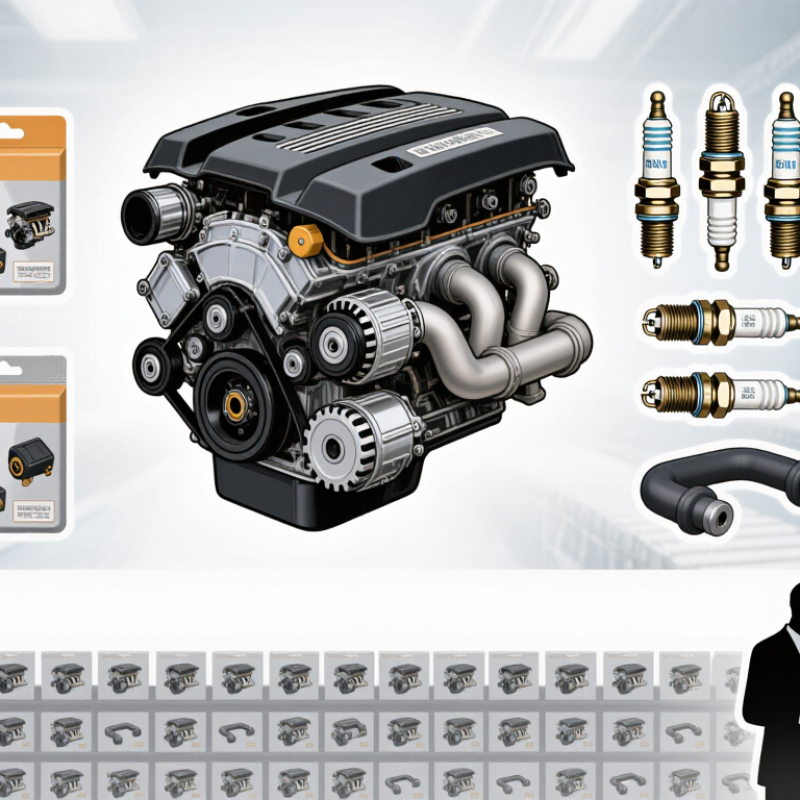
Global sourcing becomes safer when buyers can verify what they are purchasing. Original auto parts provide a documented link to the vehicle manufacturer, factory specifications, and approved production standards. Ronald Montoya, a senior consumer advice editor at Edmunds, explains, “OEM parts are made by the same company that made the original part.” This distinction matters when a component must match precise dimensions, materials, and electronic settings.

A reliable sourcing process should begin with the vehicle identification number, not a vague product description. Buyers can compare catalog numbers, packaging labels, batch details, and warranty terms before placing an order. A genuine engine sensor, for example, should connect cleanly and communicate correctly with the vehicle’s control system. Small mismatches can create warning lights, repeated repairs, or costly downtime.

Traceability matters.

Experienced procurement teams also examine supplier history, storage conditions, and after-sales support. Original auto parts usually cost more than unknown alternatives. However, the initial price does not show the complete risk. Poor fitment may involve labor, shipping delays, diagnostic fees, and dissatisfied customers. That reality is easy to underestimate.

Still, “original” should never be accepted as a marketing word alone. Verification remains essential. Product images can be copied, and labels can look convincing. Buyers should request manufacturer references and clear documentation from established distributors. This approach supports dependable global sourcing while protecting vehicle performance, repair quality, and long-term customer trust.

Why Choose Original Auto Parts for Global Sourcing?

What Are Original Auto Parts?

Original auto parts are components made for a vehicle’s original production specification. They may be produced by the vehicle manufacturer or an approved supplier. Their dimensions, materials, software, and performance targets match the vehicle’s design requirements.

The term “original” is not always used consistently. In some markets, it means a genuine replacement supplied through an authorized distribution channel. In others, it may describe an original-equipment part made by the same supplier. This difference matters. A reliable sourcing team should check part numbers, production records, certificates, and traceability documents before placing an order.

I have seen fitment problems begin with small details, such as a connector shape or bolt position. The box looked correct. The component was not. Original parts normally offer stable fit, tested materials, and predictable service performance. These qualities can reduce installation delays and warranty disputes during global procurement.

Documentation is essential. Suppliers should provide clear product descriptions, batch information, inspection reports, and storage guidance. Regional requirements may also affect labeling, safety testing, and import paperwork. One limitation deserves attention: original parts can cost more and may have longer lead times. That trade-off is easy to overlook. A careful buyer compares total operating risk, not only the unit price.

Why Choose Original Auto Parts for Global Sourcing?

Original auto parts are produced to the vehicle maker’s technical specifications, supporting consistent fit, compatibility, traceability, and safety performance. The chart highlights the scale of counterfeit products in global trade, reinforcing the value of sourcing verified original parts.

Estimated value of global trade in counterfeit and pirated goods in 2019. Automotive parts accounted for approximately US$16.1 billion, while counterfeit and pirated goods overall reached approximately US$464 billion. Source: OECD/EUIPO, Global Trade in Fakes: A Worrying Threat and Trade in Counterfeit Automotive Parts.

How Original Parts Ensure Vehicle Compatibility

Original auto parts support vehicle compatibility because they follow the vehicle’s intended engineering specifications. Their dimensions, materials, connector shapes, and operating tolerances match the original assembly. This reduces problems during installation and daily driving.

In global sourcing, compatibility begins with accurate identification. Experienced purchasing teams check the vehicle identification number, part number, production year, and equipment configuration. They also review revision codes and technical drawings when available. A brake component may look correct, yet differ in thickness or sensor placement. Small differences can create noise, warning lights, or uneven performance.

Original parts usually include clearer documentation and traceability. This helps buyers verify production details, packaging information, and inspection records across borders. Testing can compare thread sizes, electrical resistance, sealing surfaces, and temperature limits before shipment. That practical step prevents costly returns. It also protects repair technicians from guessing.

I have learned that part numbers alone are not enough. Catalog data can be incomplete, outdated, or entered incorrectly. Human review still matters. A careful team should question an unusual weight, missing connector, or unclear revision mark. Compatibility is not guaranteed by appearance. It is confirmed through records, measurements, and controlled checks. Even then, mistakes happen. That is why reliable sourcing requires patient verification before installation.

Why Original Parts Support Safety and Performance

Why Choose Original Auto Parts for Global Sourcing?
Why Original Parts Support Safety and Performance

Original auto parts are designed for a specific vehicle system, not merely for visual similarity. Their dimensions, materials, and operating limits follow the vehicle’s engineering requirements. This matters when a brake component must respond evenly or a sensor must deliver accurate readings. Fit matters. A small mismatch can create vibration, premature wear, or delayed system responses.

In global sourcing, reliable parts should come with traceable identification, clear specifications, and consistent quality records. Experienced procurement teams verify part numbers against vehicle data before ordering. They also inspect packaging, seals, surface finishes, and production markings when shipments arrive. These steps help reduce installation errors and protect workshop efficiency. Testing data and supplier documentation add confidence, especially when regulations differ between markets.

Performance is not guaranteed by appearance alone. I have seen components that looked acceptable but failed early under heat, load, or repeated movement. That experience encourages careful checking rather than quick approval. Original parts can support stable handling, predictable maintenance, and safer operation when installed correctly. Still, sourcing is not perfect. Availability, shipping damage, and outdated vehicle records can create problems. Regular verification remains necessary, even with a trusted supply process.

Why Choose Original Auto Parts for Global Sourcing? - Why Original Parts Support Safety and Performance

Evaluation Dimension Original Auto Parts Safety and Performance Benefit Practical Sourcing Indicator Relevant Technical Reference
Vehicle-Specific Design Developed for the specified vehicle platform, model year, powertrain, and equipment configuration. Supports correct fit, interface alignment, operating clearances, and intended vehicle behavior. Part number, revision level, application list, and vehicle identification compatibility can be verified. Automotive product development and configuration-control practices.
Dimensional Accuracy Manufactured to defined drawings, tolerances, interfaces, and assembly requirements. Reduces the risk of installation stress, leakage, vibration, premature wear, and misalignment. Inspection records, controlled drawings, and documented quality checks are available through the supply chain. IATF 16949 quality-management principles and production-part approval practices.
Material and Heat Treatment Uses specified material grades, coatings, elastomers, lubricants, and heat-treatment conditions where required. Helps maintain strength, corrosion resistance, thermal stability, sealing performance, and service life. Material certificates, coating specifications, and batch or lot traceability can be requested. ISO 9001 and IATF 16949 process-control and traceability requirements.
Electronic Compatibility Designed to communicate with the vehicle’s specified control units, sensors, wiring, and diagnostic systems. Supports accurate signal processing, fault detection, calibration, and stable system operation. Connector type, communication protocol, software version, and programming requirements are documented. ISO 26262 functional-safety principles and applicable vehicle communication requirements.
Safety-System Integration Validated as part of the vehicle system, including braking, steering, restraint, lighting, or stability-control functions where applicable. Maintains the intended interaction between components instead of treating each part as an isolated item. System-level test evidence, installation procedures, and calibration instructions are available. UNECE vehicle regulations and ISO 26262 functional-safety framework, where applicable.
Testing and Validation Subject to defined inspection, endurance, environmental, dimensional, and functional tests appropriate to the component. Improves confidence in performance across temperature, vibration, load, moisture, and repeated-use conditions. Test specifications, inspection plans, nonconformance controls, and release records can be audited. IATF 16949 risk-based thinking, testing, and process-monitoring practices.
Traceability and Authenticity Normally linked to controlled manufacturing records, batch information, packaging identification, and approved distribution channels. Facilitates recall management, root-cause analysis, warranty handling, and counterfeit-risk reduction. Verify serial or batch data, packaging integrity, purchase documentation, and authorized channel records. ISO 9001 and IATF 16949 identification and traceability practices.
Installation and Maintenance Support Supported by application-specific repair information, tightening requirements, calibration steps, and replacement procedures where applicable. Reduces installation errors and helps preserve the designed operating condition after servicing. Technical manuals, service data, torque values, software procedures, and compatibility notes are available. Vehicle service-information and repair-procedure requirements.
Global Compliance Documentation Can be supported by declarations, conformity records, chemical-compliance information, and market-specific approval documents when required. Simplifies import reviews, customer audits, regulatory checks, and responsible end-market distribution. Request certificates of conformity, material declarations, safety data, and market-specific documentation before shipment. Applicable UNECE regulations, ISO management standards, and regional chemical or product-compliance rules.

Note: Compliance, validation, and documentation should be verified for the specific part number, vehicle application, destination market, and sourcing channel.

How Original Parts Simplify Global Sourcing

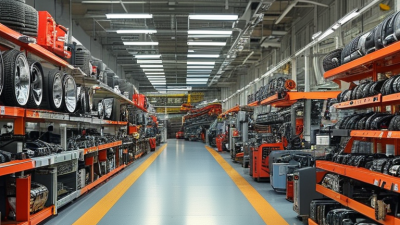
Global sourcing becomes simpler when original auto parts arrive with verified specifications, traceable production records, and consistent packaging. Procurement teams can match the part number before shipment, not after installation. This reduces fitting errors, customs questions, and repeated supplier checks. Small details matter. A labeled carton, sealed connector, and readable batch code can save hours in a regional warehouse.

Original parts also reduce uncertainty across long supply routes. UNCTAD’s Review of Maritime Transport 2023 reports that over 80% of global merchandise trade by volume moves by sea. Delays can therefore expose weak documentation and unclear quality controls. The OECD and EUIPO estimated that counterfeit goods represented up to 3.3% of global trade in 2019. Verified sourcing helps buyers protect safety, warranty decisions, and inventory accuracy.

The process is not perfect. Original parts may cost more, and availability can still change without warning. A practical buyer should compare total landed cost, not only the unit price. Check certification records, packaging condition, supplier history, and return procedures. I have seen a cheaper part create extra inspection work and a second shipment. That lesson stays expensive.

What to Evaluate Before Purchasing Original Auto Parts

Why Choose Original Auto Parts for Global Sourcing?

What to Evaluate Before Purchasing Original Auto Parts

Global sourcing demands more than matching a part number. In my purchasing experience, application accuracy, traceability, and supplier documentation matter equally. OICA’s 2023 Production Statistics recorded over 93.5 million motor vehicles worldwide. That scale creates many fitment variations.

Before purchasing, verify the complete part number, vehicle application, production date, and packaging details. Ask for batch records, inspection reports, and proof of authorized distribution. Check critical dimensions against technical drawings, not photographs. A barcode can scan correctly and still hide a wrong application. Use sample testing when the part affects braking, steering, or engine performance. Small errors become expensive quickly.

The World Bank’s 2023 Logistics Performance Index evaluates customs, infrastructure, shipment timeliness, and tracking. These factors deserve attention during global sourcing. A supplier with strong products but weak export controls may still create delays. Confirm packaging strength, storage conditions, insurance coverage, and transport responsibilities. ISO-certified processes can support consistency, but certification alone does not prove every shipment is correct. I have seen procurement teams trust certificates too quickly. That is a weakness worth challenging. Request current documents, inspect random units, and record discrepancies before approving larger orders. Keep communication written and technical, especially when specifications change.

CALL NOW