For buyers, standard engine parts are not interchangeable commodities. A piston, valve, gasket, or oil pump must match the engine’s design, operating conditions, and fitment requirements. Small differences matter. A gasket that looks correct on a workbench can still leak if its material or dimensions are wrong.
S&P Global Mobility reported that the average age of U.S. light vehicles reached 12.6 years in 2024. Older vehicles often need continued maintenance, making dependable replacement parts important to repair shops, distributors, and fleet buyers. The figure describes the U.S. vehicle fleet, not global demand, so it should not be treated as a universal forecast. Still, it signals why sourcing decisions deserve care.
A useful quality reminder comes from automotive pioneer Henry Ford, often credited with saying, “Quality means doing it right when no one is looking.” For engine components, that means checking material specifications, machining consistency, traceability, and supplier documentation—not just the quoted price. A polished product photo proves little. Ask for clear part numbers and application data.
This guide examines ten standard engine parts buyers commonly compare, from pistons and bearings to timing components and gaskets. It focuses on what each part does, which specifications deserve attention, and where supplier claims need verification. No checklist catches every mismatch. That is worth remembering. A correct-looking part can still be the wrong part.
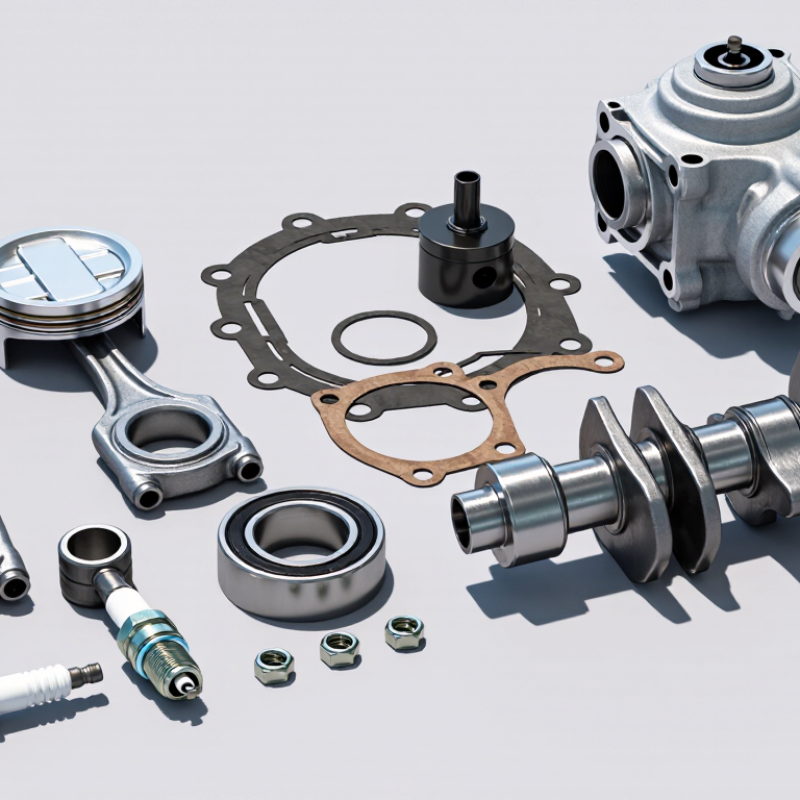
An engine is a coordinated system, not just a collection of replaceable parts. The engine block houses the cylinders, while the cylinder head closes them and contains the valves. Inside each cylinder, a piston moves up and down. Piston rings help seal the gap and control oil. Small clearances matter.
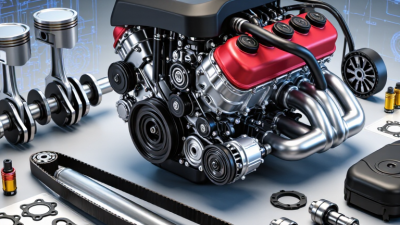
The connecting rod links each piston to the crankshaft, which turns the pistons’ movement into rotation. Above them, the camshaft operates the intake and exhaust valves. A timing chain or belt keeps valve movement synchronized with the crankshaft. In a gasoline engine, spark plugs ignite the compressed fuel-air mixture, pushing the piston down. The oil pump circulates lubricant through moving surfaces, helping limit wear and heat.
These ten components depend on one another. A timing error, worn rings, or poor oil circulation can affect performance beyond the part itself. For buyers, matching specifications and checking wear are as important as identifying the component. This is a simplified map: engine layouts vary, and diesel engines do not use spark plugs for ignition. Even so, understanding the working sequence makes part selection less like guesswork.
A useful engine-parts shortlist starts with the cylinder block and cylinder head. The block houses the cylinders, while the head contains passages and valve components. Inspect mating surfaces for visible damage, and confirm that the part matches the engine’s exact configuration. Small differences matter.
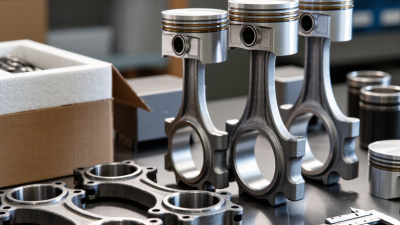
Pistons move inside the cylinders, and piston rings help manage compression and oil. Connecting rods link pistons to the crankshaft, which converts their movement into rotation. The camshaft controls valve timing; valves regulate airflow into and out of the cylinders. An oil pump circulates lubricant, while a water pump moves coolant through the cooling system.
That sounds straightforward. It isn’t always.
Buyers should compare dimensions, material specifications, and intended engine fitment before ordering. Check piston diameter, crankshaft journal size, and camshaft profile against reliable service information. For pumps, verify mounting points and connection locations. Ask for inspection records or clear measurements when details are missing. A clean exterior proves little about internal wear. I have seen listings describe parts as “standard” without explaining the measurement basis, so treat that label as a starting point, not a guarantee.
What Are the Top 10 Standard Engine Parts for Buyers?
The Function and Common Types of Each Part
The cylinder block supports the cylinders; common materials include cast iron and aluminum. The cylinder head closes the chambers and carries valves, often in SOHC or DOHC layouts. Pistons move inside the cylinders, with cast and forged types common. Compression rings seal combustion pressure, while oil-control rings manage lubricant. Connecting rods link pistons to the crankshaft; cast and forged designs are widely used. The crankshaft converts piston motion into rotation, and may be cast or forged. Intake and exhaust valves control gas flow. The camshaft opens them. Fuel injectors deliver fuel through port or direct injection. The oil pump circulates lubricant, commonly using gear or gerotor designs.
Material, dimensions, and operating conditions matter as much as the part name. The U.S. Department of Energy’s “Where the Energy Goes: Gasoline Vehicles” estimates that about 12–30% of fuel energy reaches the wheels, depending on driving conditions. Good sealing and lubrication help limit avoidable losses, though replacing one part cannot fix every efficiency problem. A catalog match alone is not proof of fit.
Tips: Check engine code, measurements, and material specifications before ordering. Look for surface damage, too. A clean part can still be the wrong one.
| Engine Part | Main Function | Common Types | Useful Buyer Check |
|---|---|---|---|
| Cylinder Block | Forms the engine’s main structure and houses the cylinders, coolant passages, and oil passages. | Inline, V-type, and horizontally opposed layouts; cast-iron or aluminum-alloy construction. | Confirm engine configuration, cylinder count, bore size, material, and mounting-point compatibility. |
| Cylinder Head | Closes the top of the cylinders and contains combustion-chamber and, in many designs, valve and port components. | Single-overhead-cam (SOHC), double-overhead-cam (DOHC), and overhead-valve (OHV) designs. | Check the engine code, port layout, valve arrangement, gasket match, and whether the head is bare or assembled. |
| Piston | Moves inside the cylinder, transfers combustion force to the connecting rod, and helps form the combustion chamber. | Cast, hypereutectic cast, and forged pistons; flat-top, dished, or domed crown shapes. | Match the bore diameter, compression height, pin diameter, crown shape, and required clearance. |
| Piston Rings | Help seal combustion pressure, control lubricating oil on the cylinder wall, and transfer heat from the piston. | Compression rings and oil-control rings; ring sets may include multiple compression rings and a multi-piece oil ring. | Verify bore size, ring-groove dimensions, ring thickness, and the specified installation orientation. |
| Connecting Rod | Links the piston to the crankshaft and transmits the piston’s reciprocating force. | Forged, cast, or powdered-metal rods; common designs include I-beam and H-beam profiles. | Check center-to-center length, big-end and small-end dimensions, bolt specification, and engine application. |
| Crankshaft | Converts the connecting rods’ reciprocating motion into rotational motion to drive the engine and its accessories. | Cast, forged, or billet construction; cross-plane and flat-plane layouts are used in different engine designs. | Confirm stroke, journal diameters, bearing sizes, counterweight clearance, and configuration compatibility. |
| Camshaft | Controls valve opening and closing through its lobes, coordinating valve events with crankshaft rotation. | Overhead camshaft and block-mounted camshaft designs; fixed-timing and variable-valve-timing systems. | Check engine code, lobe profile, sensor or phaser compatibility, and whether related components must also be replaced. |
| Intake and Exhaust Valves | Regulate the flow of air or air-fuel mixture into the cylinders and exhaust gases out of them. | Intake valves and exhaust valves; solid-stem and hollow-stem designs, depending on the engine. | Match valve length, head diameter, stem diameter, material, and the correct intake or exhaust position. |
| Timing Drive | Synchronizes crankshaft and camshaft rotation so valves operate at the correct points in the engine cycle. | Timing belt, timing chain, or gear drive, with application-specific tensioners and guides where required. | Identify the installed drive type and check whether the service procedure calls for replacing related tensioners, guides, or seals. |
| Oil Pump | Circulates pressurized engine oil to lubricate moving parts and help carry away heat. | Internal-gear, external-gear, and gerotor pumps; drive and mounting arrangements vary by engine. | Confirm fitment, pickup-tube arrangement, pump drive, pressure specifications, and whether a new pickup seal is needed. |
A practical checklist includes pistons, piston rings, connecting rods, crankshafts, camshafts, intake and exhaust valves, valve springs, bearings, head gaskets, and oil pumps. Names alone are not enough. Match each part to the engine code, model year, displacement, and any documented engine changes. Small details matter. Compare key dimensions, such as piston diameter, bearing clearance, gasket bore, and oil-pump mounting points, with the engine maker’s specifications.
Material descriptions should be specific, not just “heavy duty.” Check whether pistons use the required alloy, whether valves suit the engine’s temperature demands, and whether bearings have the specified construction and coating. Ask for material data, dimensional inspection records, or relevant test documentation when available. Smooth machining, consistent surfaces, and cleanly finished oil passages are useful clues, but appearance alone cannot prove internal quality.
Packaging labels and catalog listings can still contain errors. I would double-check measurements before installation, especially when replacing only one component in a worn engine. Confirm that the part’s intended application and tolerances match the service information, and inspect it for cracks, burrs, or shipping damage. A tiny mismatch can cause trouble. When specifications are unclear, pause and ask a qualified engine technician to verify them rather than relying on a broad fitment claim.
For pistons, bearings, valves, and gaskets, compare suppliers by more than unit price. Request part-level specifications, material details, inspection records, and batch traceability. Then compare warranty duration, exclusions, claim deadlines, and who pays return freight. A warranty that requires overseas shipping may offer little practical protection. S&P Global Mobility reported that the average age of U.S. light vehicles reached 12.6 years in 2024, making dependable replacement-part availability increasingly relevant. Still, vehicle age alone cannot predict demand for any specific engine component.
Tips: Build a simple cost sheet. Include purchase price, shipping, installation, expected service life, and possible downtime. NIST’s Handbook 135 treats life-cycle cost as more than initial acquisition; operation and maintenance costs matter too. Ask suppliers for written warranty terms and a sample inspection report. Compare identical specifications, not just similar-looking parts. Small details count.
One weakness in many comparisons is the assumed service life: buyers often have limited field data. Mark estimates clearly, and request failure or return-rate records where available. A cheaper bearing can become expensive if tolerances vary between batches. Keep the quote, technical drawing, and warranty in the same file. That sounds basic, but it prevents avoidable disputes.
Commonly sourced parts include pistons, piston rings, valves, valve springs, crankshaft bearings, gaskets, oil pumps, water pumps, timing belts, and spark plugs. Specifications vary by engine and application, so confirm fitment before comparing quotes.
These are suggested scorecard weights, not industry survey results. Compare suppliers on verified specifications and quality documentation, then assess the full cost—including unit price, shipping, duties, expected service life, and potential replacement costs—alongside warranty coverage and claim terms.